
Fish List
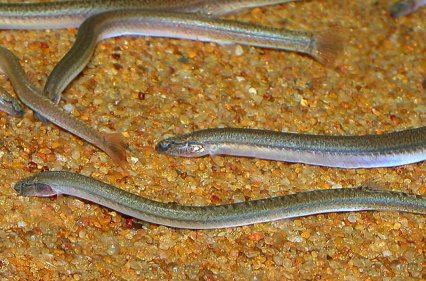
Sumatran Neon Loach
Freshwater Loaches
Category:
Difficulty:
Easy
Temperament:
Peaceful
The Sumatran Neon Loach (Pangio filinaris or similar species often sold under this common name) is a slender, eel-like freshwater loach known for its glowing blue-green lateral sheen, active behavior, and peaceful temperament. These loaches are social bottom-dwellers that spend much of their time weaving through plants, leaf litter, and hiding spots.
Description
Slim, elongated, eel-like body
Iridescent neon blue/green stripe along the sides
Brownish or translucent base coloration
Peaceful, shy, and highly social; most active at dawn and dusk
Typically grows to 2.5–3.5 inches
Care Requirements
Tank Size:
Minimum 20 gallons, larger preferred for groups
Water Parameters:
Temperature: 75–80°F (24–27°C)
pH: 6.0–7.0
Soft to moderately soft water
Gentle flow with good filtration
Habitat:
Provide dense plants, driftwood, caves, leaf litter, and shaded areas
Soft substrate like sand to protect their delicate barbels
Dim lighting or floating plants preferred
Diet:
Omnivorous: frozen foods (bloodworms, daphnia, brine shrimp), sinking micro-pellets, and high-quality flakes
Enjoys small live foods
Behavior & Social Needs:
Keep in groups of 6 or more for natural, confident activity
Peaceful with other gentle community fish
Special Care Notes:
Needs very clean, well-oxygenated water
Sensitive to sudden changes in parameters
Cover the tank—loaches can be escape artists
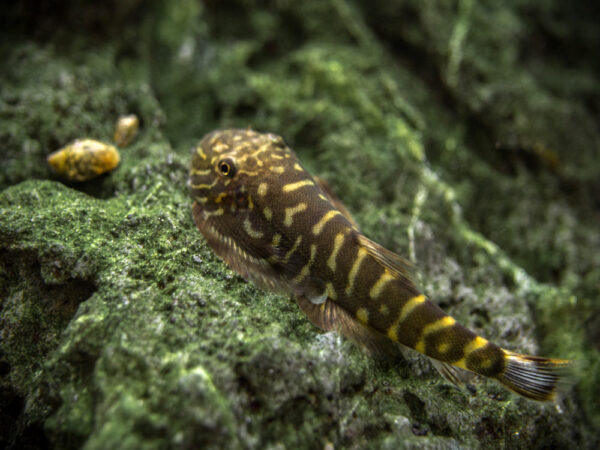
Borneo Sucker Loach
Freshwater Loaches
Category:
Difficulty:
Moderate
Temperament:
Peaceful
The Borneo sucker loach is a small, flat-bodied algae grazer from fast-flowing streams in Borneo. Its suction-like fins help it cling to rocks in strong currents. In aquariums, it needs cool, well-oxygenated water, high flow, and plenty of smooth stones covered in algae or biofilm to graze on. Keep them in groups, avoid warm or stagnant water, and provide a mature tank with clean, stable conditions.
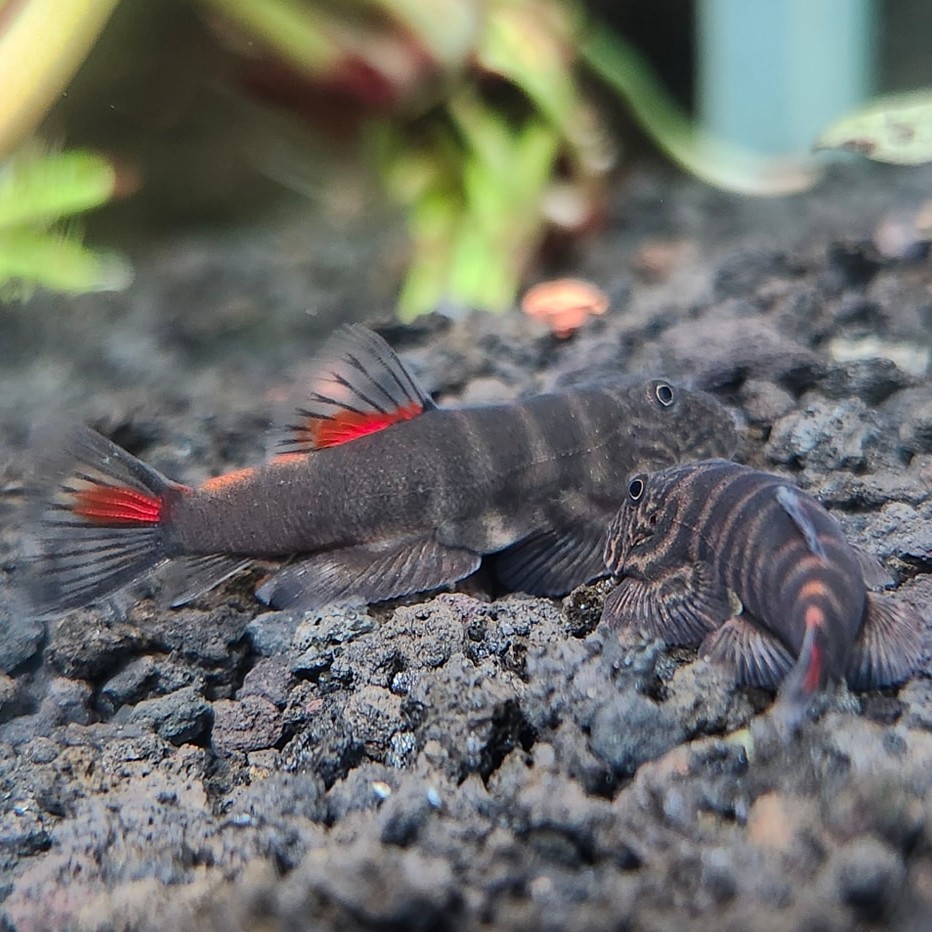
Redtail Hillstream Loach
Freshwater Loaches
Category:
Difficulty:
Moderate
Temperament:
Peaceful
The redtail hillstream loach, Beaufortia kweichowensis, is a fascinating and unique freshwater fish native to the fast-flowing rivers and streams of Southeast Asia, particularly found in China and parts of Thailand. Known for its distinctive appearance, this loach features a streamlined, elongated body with a vibrant reddish-orange tail and a mottled pattern of browns and greens that helps it blend into its rocky environment. Typically, redtail hillstream loaches grow to about 3-4 inches in length.
These loaches are well adapted to life in swift currents, using their specialized bodies and suction-cup-like mouths to cling to rocks and substrates in their natural habitat. They are peaceful and social fish, best kept in groups of at least five, making them suitable for community tanks with other peaceful species. Redtail hillstream loaches thrive in well-oxygenated, cool water, with temperatures ranging from 68-78°F and a pH between 6.5 and 7.5.
The ideal aquarium setup for redtail hillstream loaches includes plenty of rocks, hiding spots, and fast-moving water, which can be achieved through the use of strong filtration and water movement. They are primarily herbivores and require a diet rich in algae, sinking pellets, and blanched vegetables.
Their captivating appearance, unique behavior, and peaceful temperament make the redtail hillstream loach a popular choice among aquarists, adding a dynamic and lively element to well-planned freshwater aquariums.
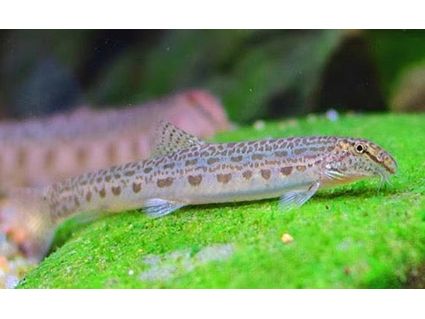
Siberian Spiny Loach
Freshwater Loaches
Category:
Difficulty:
Moderate
Temperament:
Peaceful
The Siberian spiny loach, Acantopsis choirorhynchos, is a unique and captivating freshwater fish native to the rivers and streams of Siberia and surrounding regions. Known for its distinctive appearance, this loach typically features an elongated, slender body that can reach lengths of up to 6 inches. Its most striking feature is its spiny dorsal fin and the presence of small, bony plates along its body, which provide both protection and a unique texture.
Siberian spiny loaches are primarily nocturnal and tend to be shy during the day, often seeking refuge among rocks, plants, and other hiding spots in the aquarium. They are social fish that thrive in groups, making them best suited for community tanks with plenty of cover. These loaches prefer slightly cooler water temperatures, ranging from 65-75°F, and a pH between 6.0-7.5.
As omnivores, Siberian spiny loaches enjoy a varied diet that includes high-quality pellets, flakes, and a mix of live or frozen foods such as bloodworms and brine shrimp. Their unique appearance, interesting behavior, and adaptability to various aquarium conditions make them a fascinating addition to freshwater aquariums, providing both visual interest and a lively dynamic to community setups.
Burmese Border Loach
Freshwater Loaches
Category:
Difficulty:
Moderate
Temperament:
Mostly Peaceful
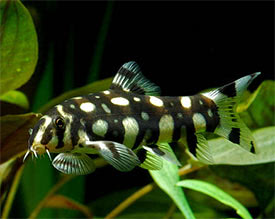
The Burmese border loach, Botia kubotai, is a captivating freshwater fish native to the rivers and streams of Myanmar (Burma) and neighboring regions. Recognized for its striking appearance, this loach typically features an elongated body that can grow to about 4-5 inches in length, adorned with a pattern of dark brown to black stripes against a lighter background, often with a beautiful gradient of colors that can include shades of gold and cream.
Burmese border loaches are social and active fish, best kept in groups of at least three to five individuals, as they thrive on companionship. They are known for their playful behavior and enjoy exploring their surroundings, often seen foraging among the substrate and plants. These loaches prefer well-structured aquariums with plenty of hiding spots, such as caves, driftwood, and dense vegetation, which provide them with security and a stimulating environment. They thrive in water temperatures ranging from 74-82°F and a pH of 6.5-7.5.
As omnivores, Burmese border loaches appreciate a varied diet that includes high-quality pellets, flakes, and a mix of live or frozen foods like bloodworms and brine shrimp. Their unique coloration, engaging behavior, and adaptability make them a popular choice among aquarists, enhancing the visual appeal and activity level of community aquariums.
Yoyo Loach
Freshwater Loaches
Category:
Difficulty:
Easy
Temperament:
Mostly Peaceful
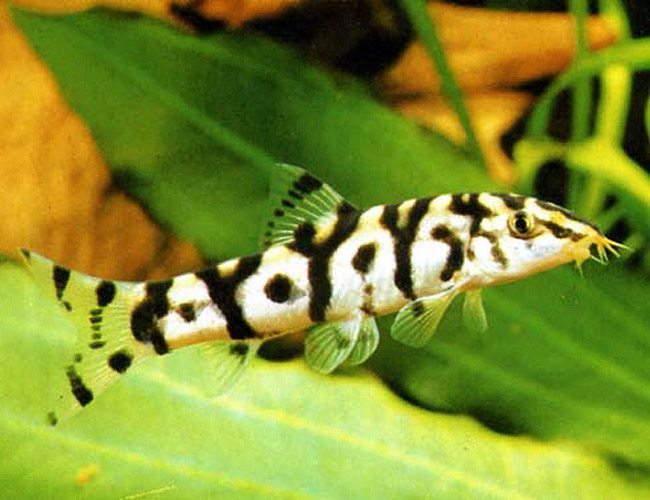
The yoyo loach, Botia almorhae, is an intriguing freshwater fish native to the rivers and streams of South Asia, particularly in India, Bangladesh, and Nepal. Named for its playful behavior and distinctive pattern, the yoyo loach features an elongated body that typically grows to about 4-6 inches in length. Its most striking characteristic is its dark brown or black body adorned with intricate, wavy yellow or gold markings, resembling the shape of the letter "Y," which is how it got its name.
Yoyo loaches are social and active fish, best kept in groups of at least three to five individuals, as they thrive on interaction with their own kind. They are known for their playful antics, often seen darting around the aquarium and exploring their environment. These loaches prefer well-planted tanks with plenty of hiding spots, such as caves, rocks, and dense vegetation, which provide them with security and enrichment. They thrive in water temperatures ranging from 75-82°F and a pH of 6.5-7.5.
As omnivores, yoyo loaches enjoy a varied diet that includes high-quality pellets, flakes, and a mix of live or frozen foods like bloodworms and brine shrimp. Their unique appearance, engaging behavior, and adaptability make yoyo loaches a popular choice among aquarists, adding both color and activity to community aquariums.
Zebra Loach
Freshwater Loaches
Category:
Difficulty:
Moderate
Temperament:
Mostly Peaceful
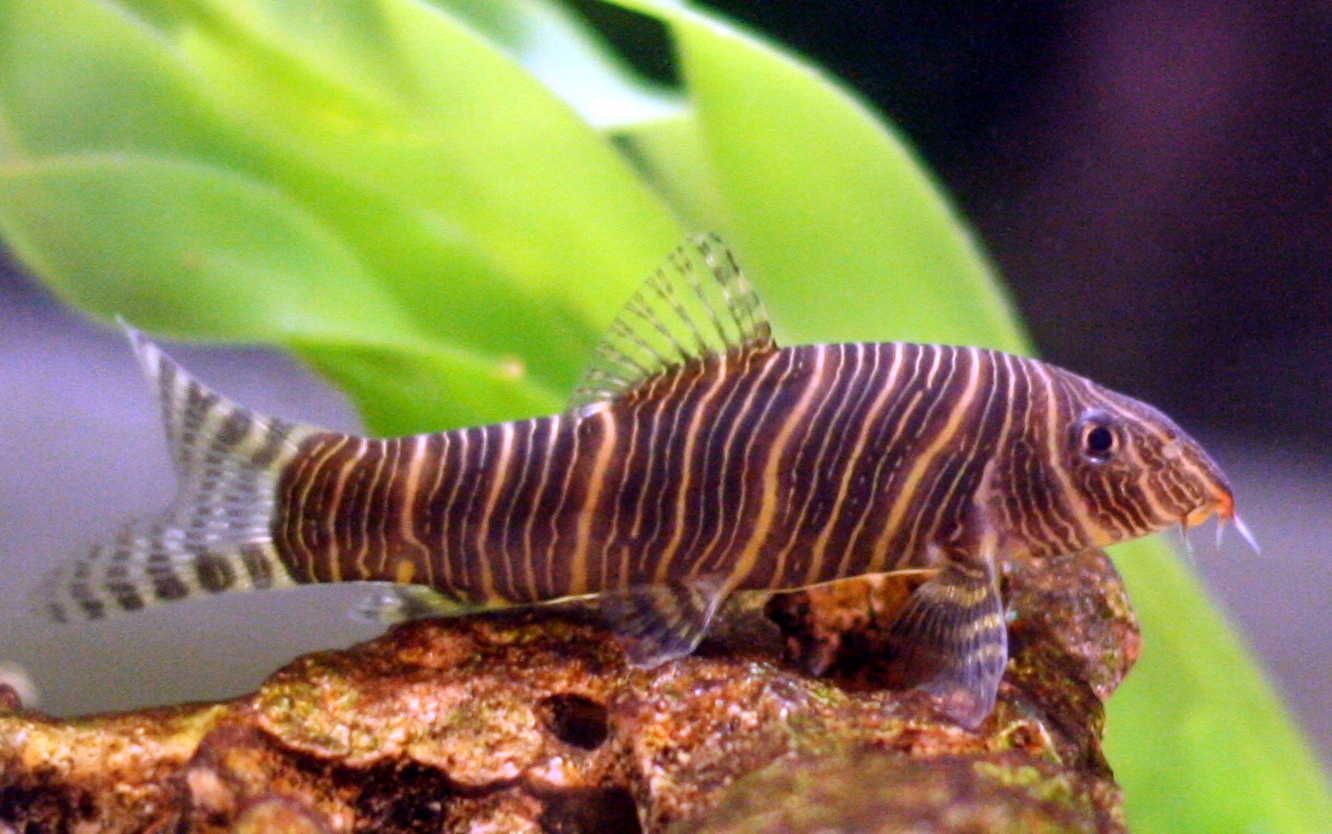
The zebra loach, Botia striata, is a striking freshwater fish native to the rivers and streams of Southeast Asia, particularly in Thailand and Myanmar. Known for its bold and distinctive appearance, the zebra loach features a sleek, elongated body adorned with striking black and yellow horizontal stripes, reminiscent of a zebra pattern. Typically, this loach grows to about 4-6 inches in length, making it a moderate-sized species ideal for community aquariums.
Zebra loaches are social and active fish that thrive in groups, making them best kept in schools of at least three to five individuals. They are known for their playful behavior, often seen darting around the tank and foraging for food. These loaches prefer well-structured aquariums with plenty of hiding spots, such as caves, rocks, and dense plantings, which provide them with security and areas to explore. They thrive in water temperatures ranging from 75-86°F and a pH of 6.0-7.5.
As omnivores, zebra loaches enjoy a varied diet that includes high-quality pellets, flakes, and live or frozen foods like bloodworms and brine shrimp. Their striking coloration, lively personality, and adaptability make zebra loaches a popular choice among aquarists, contributing both visual interest and dynamic activity to community tanks.
Golden Dojo Loach
Freshwater Loaches
Category:
Difficulty:
Easy
Temperament:
Peaceful
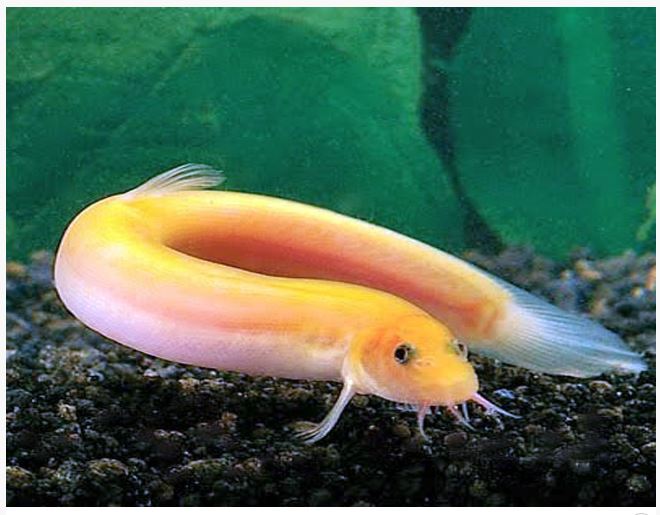
The golden dojo loach, Misgurnus anguillicaudatus, is a captivating variant of the common dojo loach, distinguished by its stunning golden-yellow coloration. Native to East Asia, particularly in Japan and China, this freshwater fish features an elongated, eel-like body that can grow to about 6-12 inches in length. The golden hue often includes subtle variations, with some individuals displaying darker spots or markings, adding to their visual appeal.
Like their regular counterparts, golden dojo loaches are playful and social creatures that thrive in groups. They are known for their bottom-dwelling habits, often seen burrowing into substrate or exploring their surroundings. These loaches prefer well-planted aquariums with plenty of hiding spots, such as rocks, plants, and caves. They typically thrive in cooler water temperatures ranging from 64-75°F, with a pH of 6.5-7.5.
As omnivores, golden dojo loaches enjoy a varied diet that includes high-quality sinking pellets, flakes, and live or frozen foods like bloodworms and brine shrimp. Their unique coloration, engaging personality, and adaptability make golden dojo loaches a popular choice among aquarists, adding a touch of elegance and vibrancy to community aquariums while contributing lively movement and activity.
Dojo Loach
Freshwater Loaches
Category:
Difficulty:
Easy
Temperament:
Peaceful
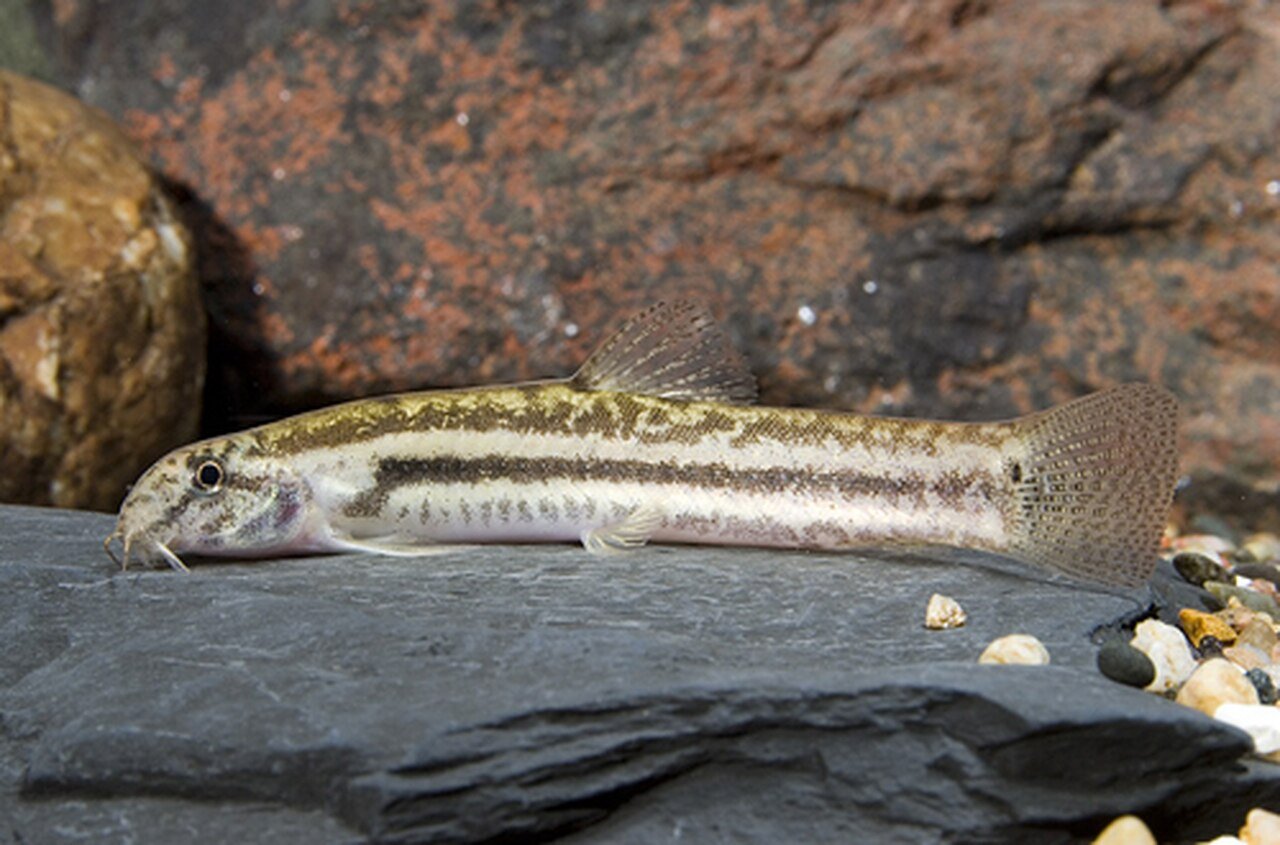
The dojo loach, Misgurnus anguillicaudatus, also known as the weather loach or pond loach, is a fascinating freshwater fish native to East Asia, particularly found in Japan, China, and Korea. Recognized for its distinctive elongated, eel-like body, the dojo loach can grow to about 6-12 inches in length. Its coloration typically varies from a light brown to olive green, often featuring darker spots or bands that provide effective camouflage in its natural habitat.
Dojo loaches are primarily bottom-dwellers and are known for their playful and curious behavior. They are often seen burrowing in the substrate or exploring their environment. These loaches are social creatures that thrive in groups, making them best suited for community tanks with plenty of hiding spots, such as rocks, plants, and caves. They prefer slightly cooler water temperatures, ranging from 64-75°F, and a pH of 6.5-7.5.
As omnivores, dojo loaches enjoy a varied diet that includes high-quality sinking pellets, flakes, and a mix of live or frozen foods such as bloodworms and brine shrimp. Their hardiness, engaging personality, and adaptability make dojo loaches a popular choice among aquarists, especially for community aquariums where they contribute both movement and interest to the tank environment.
Khuli Loach
Freshwater Loaches
Category:
Difficulty:
Moderate
Temperament:
Peaceful
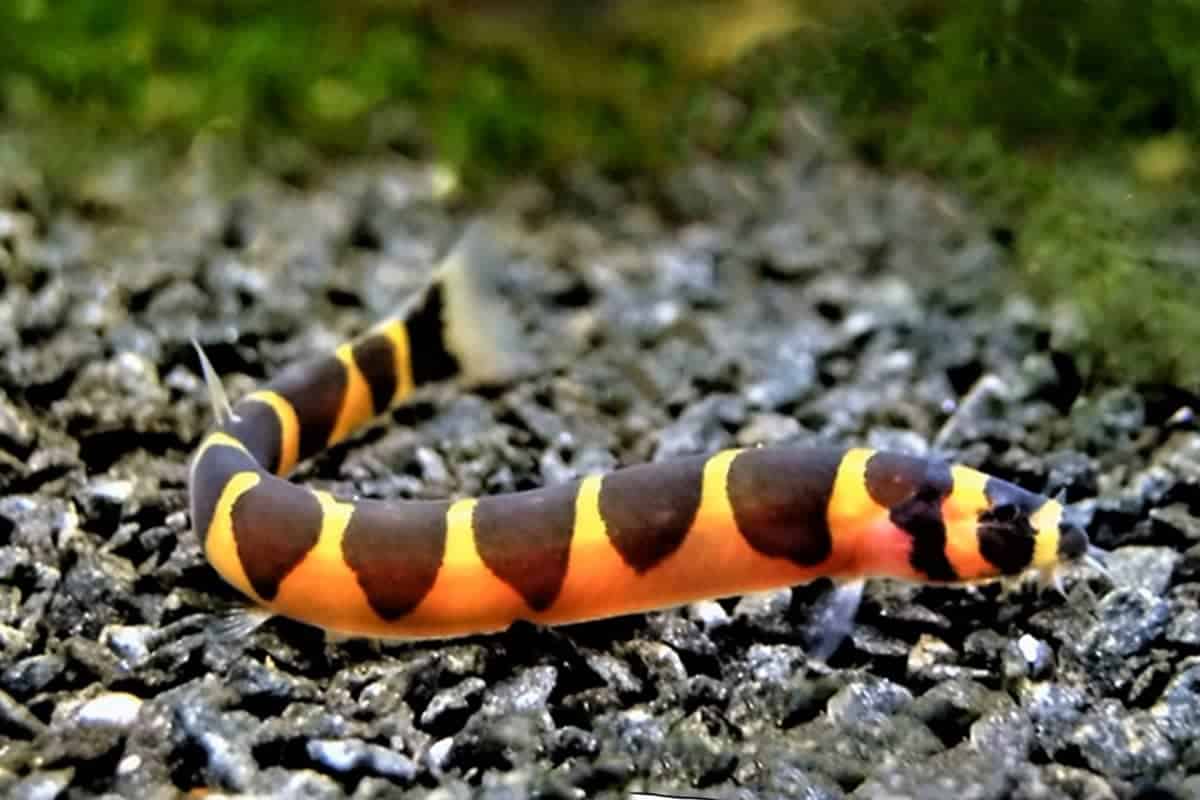
The khuli loach, Pangio kuhlii, is a fascinating and popular freshwater fish native to the streams and rivers of Southeast Asia, particularly in Indonesia, Malaysia, and Thailand. Known for its unique appearance, the khuli loach features an elongated, eel-like body that typically grows to about 3-4 inches in length. Its coloration ranges from a light brown to yellowish-tan, adorned with dark brown or black bands and stripes, which help it blend into its natural environment.
Khuli loaches are primarily nocturnal, spending much of the day hiding among substrate, plants, and decorations in the aquarium. They are social fish that thrive in groups, so it’s best to keep them in small schools of at least three to five individuals. They prefer well-planted tanks with a sandy substrate, where they can burrow and explore, and thrive in water conditions with temperatures between 75-86°F and a pH range of 6.0-7.5.
As omnivores, khuli loaches have a varied diet that includes high-quality sinking pellets, flakes, and a mix of live or frozen foods like bloodworms and brine shrimp. Their playful behavior, unique appearance, and gentle nature make khuli loaches a delightful addition to community aquariums, adding both movement and interest as they explore their environment.
Horse Face Loach
Freshwater Loaches
Category:
Difficulty:
Moderate
Temperament:
Peaceful
The horse face loach, Acantopsis choirorhynchos, is a unique freshwater fish recognized for its elongated, horse-like snout, which it uses to burrow into sandy substrates. Native to Southeast Asia, this peaceful loach grows up to 6-8 inches and thrives in aquariums with soft, sandy bottoms where it can dig and hide. Known for its shy nature, it often stays hidden during the day and becomes more active at night. Horse face loaches prefer temperatures of 72-82°F with a slightly acidic to neutral pH. Their diet includes sinking pellets, small invertebrates, and detritus, making them helpful in keeping substrates clean.
Clown Loach (Chromobotia macracantha)
Freshwater Loaches
Category:
Difficulty:
Moderate
Temperament:
Mostly Peaceful
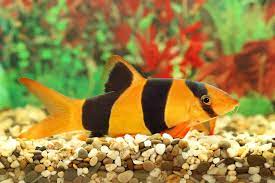
With their vibrant coloration and active nature, Clown Loaches have been a staple in the aquarium hobby for years. A schooling fish, they are best kept in groups of 5 or more as smaller groups of fish will be shy and rarely display their active, almost comical natural behavior. Clown Loaches inhabit a variety of different habitats in their native Indonesia, and will adapt to most conditions in the aquarium. As a carnivore with a fast metabolism, they should be fed often with a variety of prepared and frozen foods to ensure they are well-fed. Although they can grow fairly large, they are slow growers and it may take years for them to reach their full adult size.
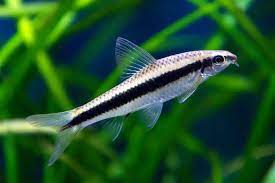
True Siamese Algae Eater (Crossocheilus cf. siamensis)
Freshwater Loaches
Category:
Difficulty:
Easy
Temperament:
Peaceful
One of the most sought after and effective of all of the so-called “algae eaters” in the aquarium hobby, the Siamese Algae Eater (commonly abbreviated SAE) or Flying Fox is an active, social, medium-sized fish that feeds on a variety of common nuisance algae species in the aquarium. They will graze on diatom algae films on glass and decor as well as the difficult to eradicate black hair or black beard algae. Best kept in groups of 6 or more, they are live plant safe and hardy additions to most medium to large community aquariums.
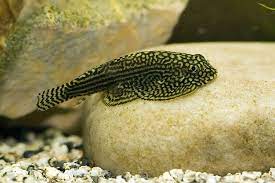
Reticulated Hillstream Loach (Sewellia lineolata)
Freshwater Loaches
Category:
Difficulty:
Moderate
Temperament:
Peaceful
Probably the most beautifully marked of all the Asian hillstream loaches, the Reticulated Hillstream Loach or Reticulated Butterfly Sucker is found in fast-flowing, rocky streams and creeks in Central and Northern Vietnam. Like many of their close relatives, this species is perfectly adapted for life in fast moving waters, with their modified pectoral and anal fins forming something of a natural suction cup. This unique adaptation allows them to not only attach firmly to surfaces but also to move forward against strong current and climb up sheer rock faces and waterfalls. They will do best in an aquarium with slightly cooler, well-oxygenated water with moderate to strong current. They will readily feed on biofilms, algae, and certain prepared foods like Fluval Bug Bites Pleco Formula or Repashy Gel Diet. A social and outgoing species, they will thrive in groups of 5 or more and have been successfully bred in the aquarium.