
Fish List
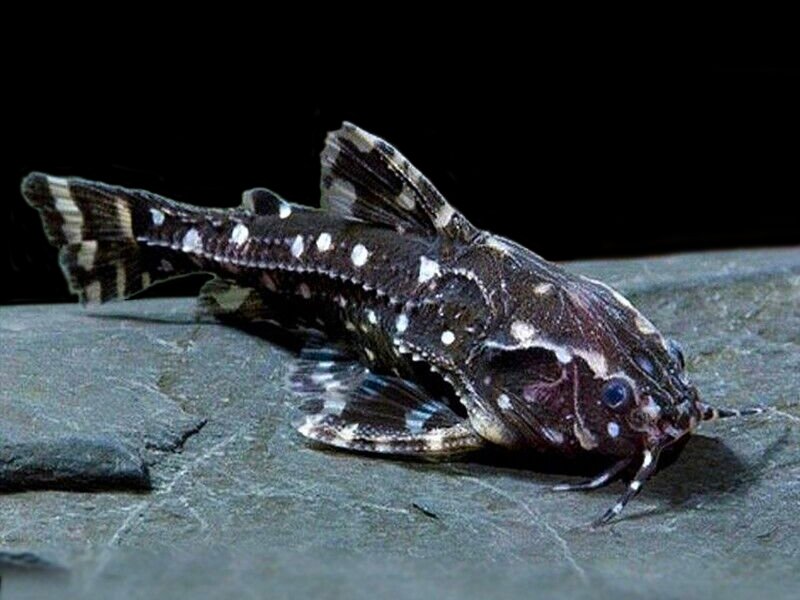
Spotted Raphael Catfish
Freshwater Catfish
Category:
Difficulty
Easy
Temperament:
Peaceful but opportunistic
The spotted Raphael catfish, Agamyxis pectinifrons, is a charming freshwater fish native to the slow-moving rivers and lakes of South America, particularly in the Amazon Basin. Known for its distinctive appearance, this catfish features a broad, flattened body covered in bony plates and a striking pattern of dark spots against a lighter background, which provides excellent camouflage among the substrate and aquatic plants. The spotted Raphael typically grows to about 6-8 inches in length.
Spotted Raphael catfish are primarily nocturnal and tend to be shy, often seeking refuge in hiding spots such as caves, driftwood, or dense vegetation during the day. They are peaceful and sociable fish, making them well-suited for community aquariums with other compatible species. As omnivores, they have a varied diet that includes high-quality pellets, flakes, and occasional live or frozen foods like bloodworms, brine shrimp, and vegetables.
They thrive in well-maintained aquariums with a sandy or fine substrate, as they enjoy digging and foraging. Ideal water conditions include temperatures ranging from 75-82°F and a pH of 6.0-7.5. Their unique appearance, tranquil demeanor, and interesting behavior make spotted Raphael catfish a popular choice among aquarists looking to enhance the visual appeal and diversity of their freshwater tanks.
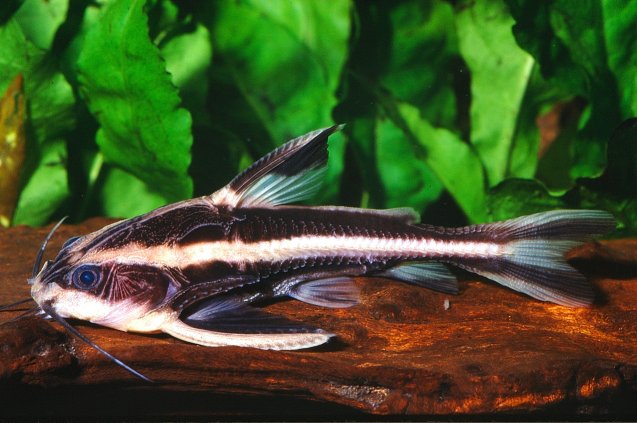
Striped Raphael Catfish
Freshwater Catfish
Category:
Difficulty
Easy
Temperament:
Peaceful but opportunistic
The striped Raphael catfish, Platydoras armatulus, is a fascinating freshwater fish native to the slow-moving waters of South America, particularly in the Amazon River Basin. Known for its distinctive appearance, this catfish features a broad, flattened body covered in prominent bony plates, giving it a unique armored look. The striped Raphael catfish typically grows to about 6-8 inches in length and is characterized by its striking pattern of dark stripes or bands against a lighter background, which aids in camouflage among rocks and debris in its natural habitat.
Striped Raphael catfish are primarily nocturnal and tend to be shy, preferring to hide during the day in caves, crevices, or among plants. They are omnivorous, with a diet that includes high-quality pellets, flakes, and a variety of live or frozen foods like bloodworms, brine shrimp, and vegetables.
They thrive in well-maintained aquariums with plenty of hiding spots and a sandy substrate, as they like to burrow. Ideal water conditions include temperatures ranging from 75-82°F and a pH of 6.0-7.5. Although generally peaceful, they may display some territorial behavior, especially when kept in smaller tanks.
The striped Raphael catfish’s unique appearance, interesting behavior, and peaceful nature make it a popular choice among aquarists, especially for community tanks where its striking look adds character and visual interest.
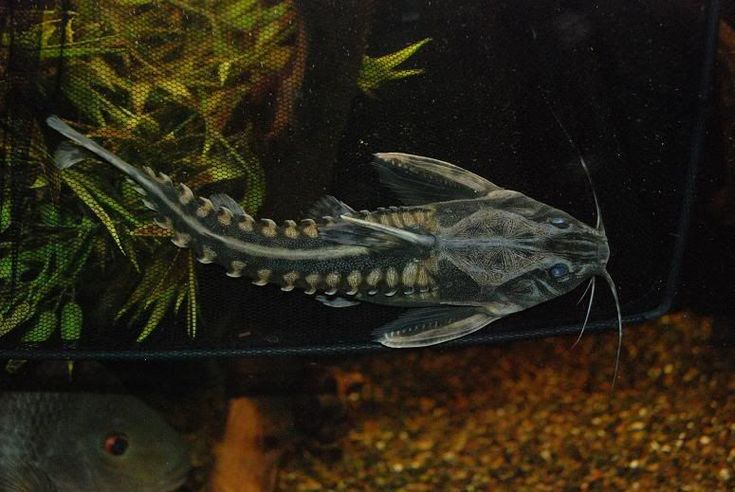
Megalodoras irwini Catfish
Freshwater Catfish
Category:
Difficulty
Easy
Temperament:
Peaceful but opportunistic
Megalodoras irwini, commonly known as the Irwin’s catfish or the spotted megadora, is a captivating freshwater fish native to the Amazon Basin in South America. This species is characterized by its robust body, which can grow up to 12-14 inches in length, and its distinctive appearance featuring a mottled pattern of dark spots and stripes against a lighter background. Its broad head and elongated body give it a unique and impressive profile.
Irwin’s catfish are primarily nocturnal and can be quite shy during the day, preferring to hide among rocks, plants, and other structures in the aquarium. They are omnivorous, feeding on a diet that includes both plant material and protein sources like pellets, flakes, and occasional live or frozen foods.
These fish thrive in well-maintained aquariums with plenty of hiding spots and ample swimming space. They prefer slightly acidic to neutral water conditions, with temperatures ranging from 75-82°F and a pH of 6.0-7.5. Due to their size and potential territorial behavior as they mature, Irwin’s catfish are best suited for larger community tanks with other compatible species.
Their unique appearance, intriguing behavior, and peaceful nature make Megalodoras irwini a popular choice among aquarists looking to add an impressive and dynamic fish to their freshwater aquarium.
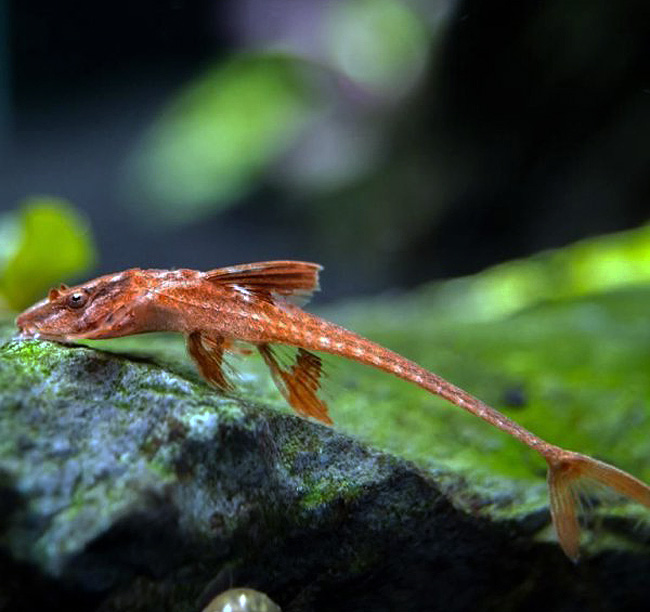
Red Lizard Catfish
Freshwater Catfish
Category:
Difficulty
Moderate
Temperament:
Peaceful
The red lizard catfish, Glyptoperichthys gibbiceps, is a fascinating freshwater fish native to the rivers and tributaries of South America, particularly in the Amazon Basin. Known for its distinctive appearance, this catfish features a long, slender body that can grow up to 12-14 inches in length, with a striking coloration that includes a reddish-brown or tan body adorned with dark spots or patterns, giving it a lizard-like appearance.
Red lizard catfish are primarily herbivorous, feeding on algae, plant matter, and biofilm in their natural habitat. They thrive in well-planted aquariums with ample hiding spots and driftwood, which mimic their natural environment and provide both food and shelter. Ideal water conditions include temperatures ranging from 75-82°F and a pH between 6.0-7.5.
These fish are relatively peaceful but can display territorial behavior, especially as they mature. They are best kept in larger aquariums with plenty of swimming space, making them suitable for community tanks with other gentle species. Their unique appearance, interesting behavior, and ability to contribute to algae control make red lizard catfish a popular choice among aquarists looking to add a distinctive and dynamic element to their freshwater aquarium.
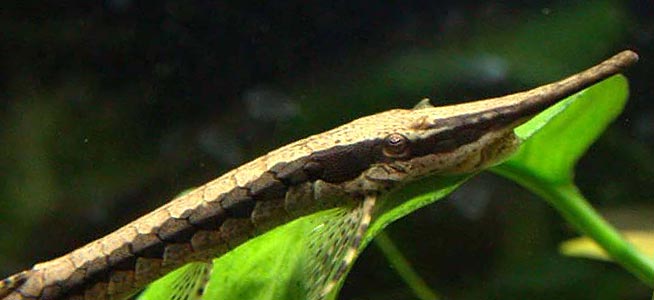
Farlowella "Twig" Catfish
Freshwater Catfish
Category:
Difficulty
Moderate
Temperament:
Peaceful
The farlowella catfish, belonging to the genus Farlowella, is a group of unique freshwater fish native to the slow-moving rivers and streams of South America, particularly in the Amazon Basin. Known for their elongated, slender bodies and leaf-like appearance, these catfish can vary in size depending on the specific species, typically growing between 4 to 8 inches long. Their remarkable camouflage, featuring a brown or greenish coloration with light stripes or spots, allows them to blend seamlessly into their aquatic environment, mimicking the appearance of floating debris or plants.
Farlowella catfish are peaceful and primarily herbivorous, primarily feeding on algae, plant matter, and biofilm in their natural habitat. They thrive in well-planted aquariums with plenty of hiding spots, such as driftwood and rocks, which provide both food sources and shelter. They prefer soft, slightly acidic to neutral water conditions, with temperatures ranging from 72-80°F and a pH of 6.0-7.5.
Due to their tranquil nature and unique appearance, farlowella catfish are an excellent choice for community tanks, where they can coexist with other gentle species. Their intriguing behavior and natural elegance make them a favorite among aquarists seeking to create a serene and visually appealing freshwater aquarium.
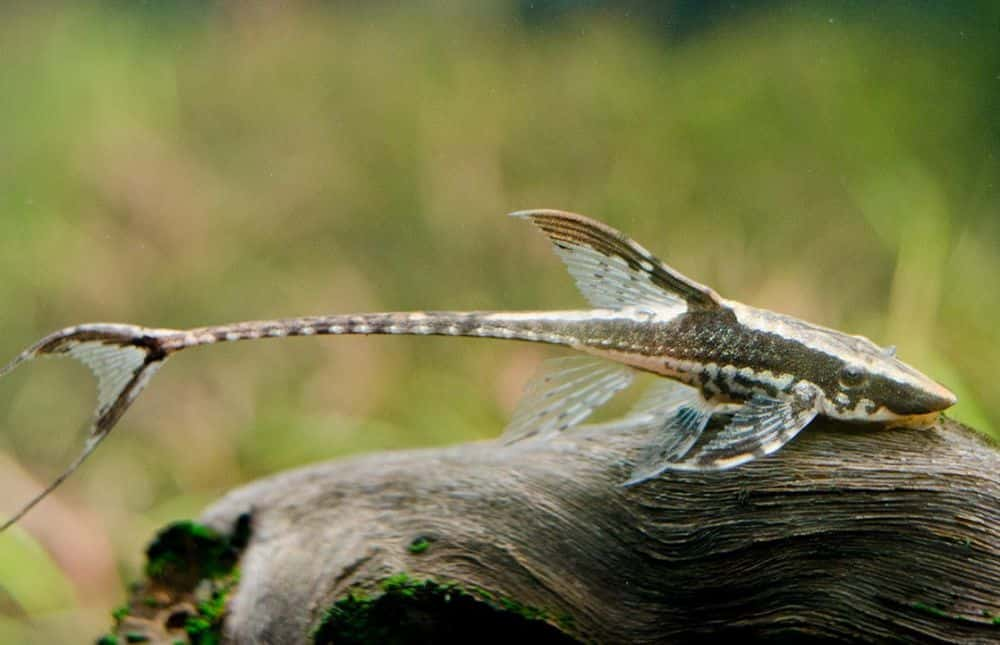
Royal Farlowella Catfish
Freshwater Catfish
Category:
Difficulty
Moderate
Temperament:
Peaceful
The royal farlowella catfish, Farlowella vittata, is a unique and fascinating freshwater fish native to the rivers and streams of South America, particularly in the Amazon Basin. Known for its elongated, slender body, this species can grow up to 6-8 inches in length. The royal farlowella is often characterized by its striking appearance, featuring a dark brown or greenish body adorned with lighter stripes and a distinctive leaf-like shape, which helps it blend into its natural surroundings.
Royal farlowella catfish are peaceful and primarily herbivorous, preferring to graze on algae and plant matter. They thrive in well-planted aquariums with plenty of hiding spots and driftwood, as these features provide both food and shelter. They prefer soft, slightly acidic to neutral water conditions, with temperatures ranging from 72-80°F and a pH of 6.0-7.5.
Due to their peaceful nature, royal farlowella catfish are ideal for community tanks, where they can coexist with other gentle species. Their intriguing appearance and unique behavior make them a popular choice among aquarists looking to create a natural and visually appealing freshwater aquarium.
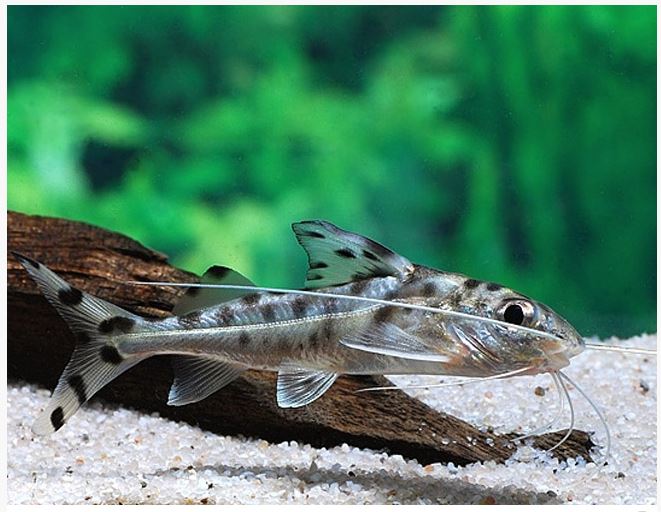
Pictus Catfish
Freshwater Catfish
Category:
Difficulty
Easy
Temperament:
Peaceful but opportunistic
The pictus catfish, Pimelodus pictus, is a popular freshwater fish native to the rivers and streams of South America, particularly found in the Amazon and Orinoco river basins. This striking species is characterized by its elongated, slender body, typically reaching lengths of about 5-7 inches. It features a silver-gray coloration adorned with distinctive black spots and stripes, giving it a visually appealing appearance. Its long barbels enhance its sensory capabilities, allowing it to navigate and hunt in low-light conditions.
Pictus catfish are social and active fish, best kept in groups to reduce stress and promote natural behaviors. They thrive in well-maintained aquariums with ample swimming space, hiding spots, and a gentle water flow. Ideal water conditions include temperatures between 75-82°F and a pH range of 6.0-7.5. As omnivores, they enjoy a varied diet that includes high-quality pellets, flakes, and live or frozen foods such as brine shrimp and bloodworms.
Their engaging personality, unique appearance, and adaptability make pictus catfish a favorite among aquarists, especially for community tanks where their playful nature adds dynamic activity and interest.
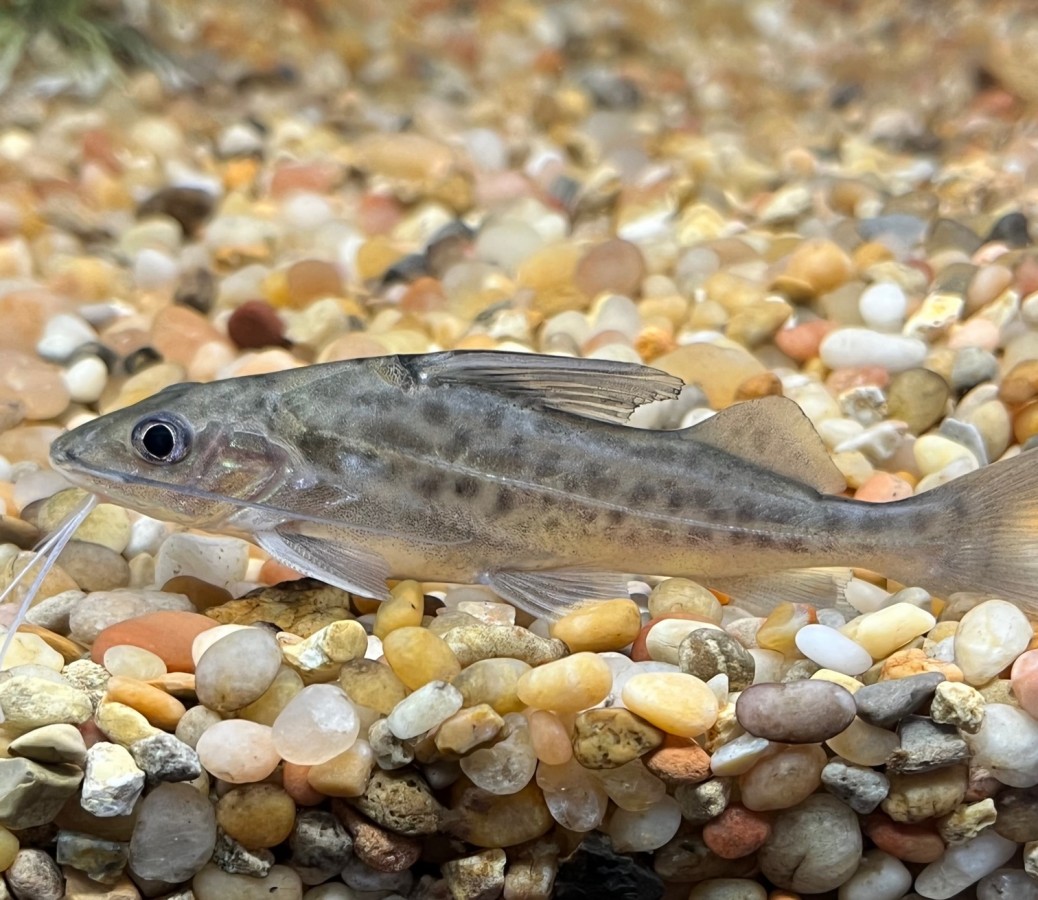
Four-line Pictus Catfish
Freshwater Catfish
Category:
Difficulty
Easy
Temperament:
Peaceful but opportunistic
The four-line pictus catfish, Pimelodus pictus, is a striking freshwater fish native to the rivers and streams of South America, particularly in the Amazon Basin. Known for its distinctive appearance, this catfish features a slender body adorned with four prominent black horizontal stripes that run along its silver body, along with long, delicate whiskers (barbels) that aid in sensing its environment. Typically, four-line pictus catfish grow to about 5-6 inches in length, making them a moderate-sized species for aquarists.
These fish are active and social, preferring to be kept in groups, which helps reduce their territorial behavior. They thrive in well-aerated tanks with plenty of swimming space and hiding spots, enjoying water temperatures between 75-82°F and a pH range of 6.0-7.5. As carnivores, four-line pictus catfish enjoy a varied diet that includes high-quality pellets, live or frozen foods like bloodworms and shrimp.
Their playful nature, unique appearance, and suitability for community tanks make four-line pictus catfish a popular choice among aquarists looking to add dynamic activity and visual interest to their freshwater aquarium.
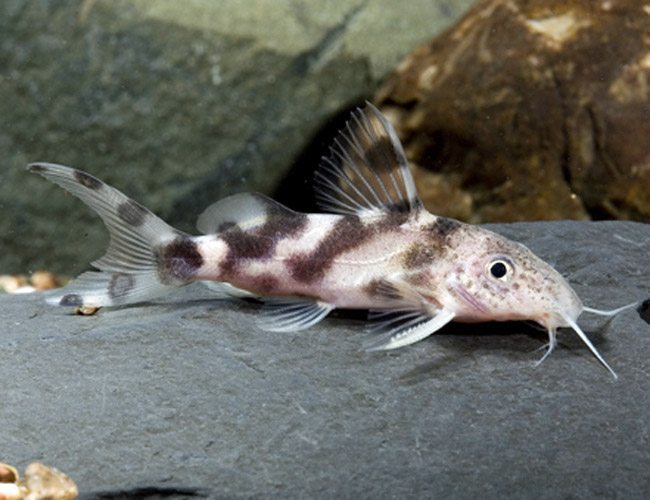
Synodontis decorus
Freshwater Catfish
Category:
Difficulty
Easy
Temperament:
Peaceful but opportunistic
Synodontis decorus, commonly known as the ornate synodontis or the polka dot catfish, is a striking freshwater fish native to the river systems of Africa, particularly the Congo River basin. Recognized for its unique appearance, it features a slender body covered in a pattern of large, dark spots against a lighter background, along with elongated pectoral fins that resemble "wings." This species typically grows to about 6-8 inches in length and is known for its peaceful temperament, making it suitable for community tanks. Ornate synodontis prefer well-structured environments with plenty of hiding spots and thrive in water temperatures between 72-82°F with a pH range of 6.5-7.5. They are omnivorous, feeding on a diet of sinking pellets, live or frozen foods, and vegetable matter, making them both an attractive and versatile addition to aquariums.
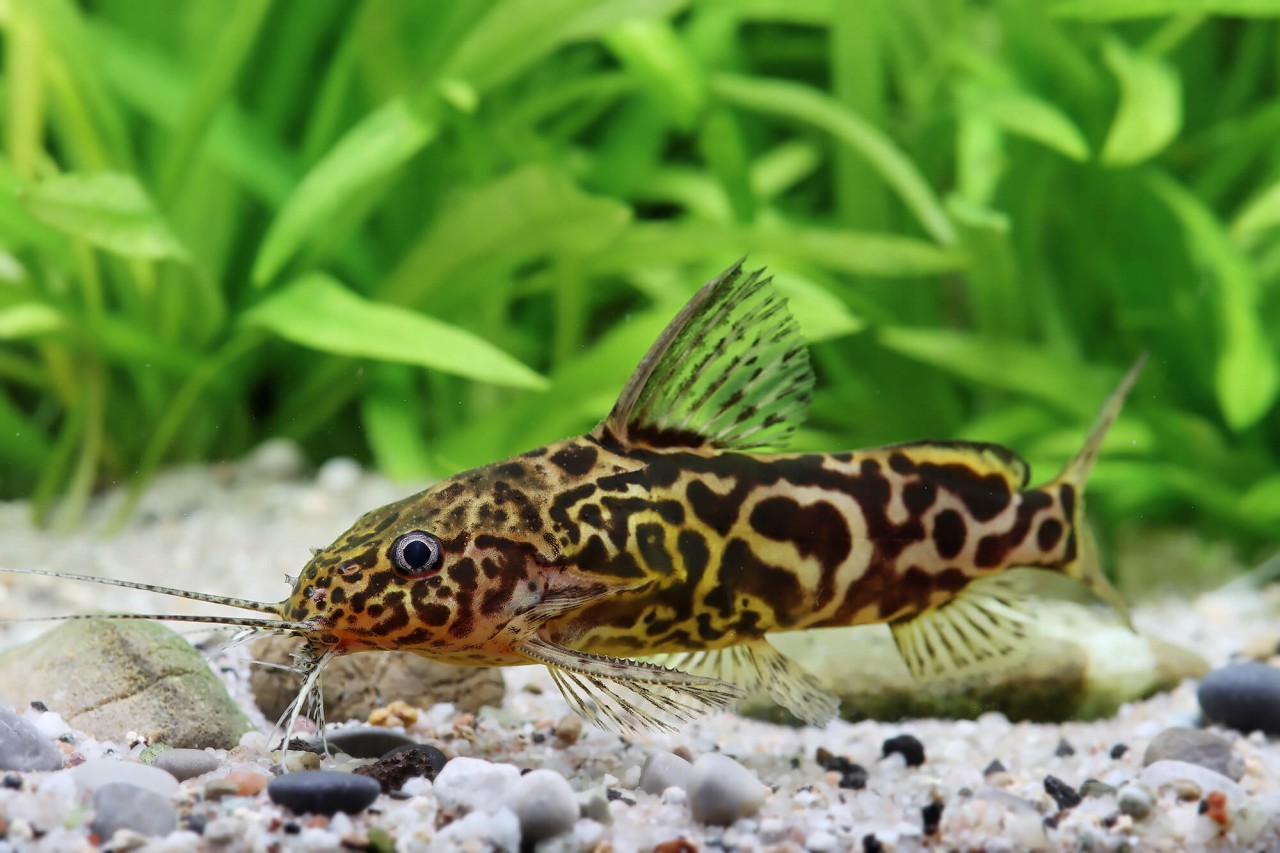
Synodontis Schoutedeni
Freshwater Catfish
Category:
Difficulty
Easy
Temperament:
Peaceful but opportunistic
Synodontis schoutedeni, commonly known as Schoutedeni Catfish, is a striking freshwater species native to the rivers and lakes of the Congo Basin in Africa. This catfish can grow to about 6-8 inches (15-20 cm) in length, making it suitable for larger aquariums.
Schoutedeni Catfish are distinguished by their unique coloration, featuring a dark body adorned with white spots and an elongated, streamlined shape. Their large, expressive eyes and distinctive dorsal fin add to their appealing appearance.
These catfish thrive in warm, soft, and slightly acidic water, ideally between 74-82°F (23-28°C). They prefer well-structured environments with plenty of hiding spots, such as rocks, caves, and driftwood.
Generally peaceful, Synodontis schoutedeni can be kept in community tanks with other non-aggressive species, though they may exhibit territorial behavior if crowded. As omnivores, they enjoy a varied diet of sinking pellets, live or frozen foods, and plant matter. Their unique look and active nature make them a captivating addition to freshwater aquariums.
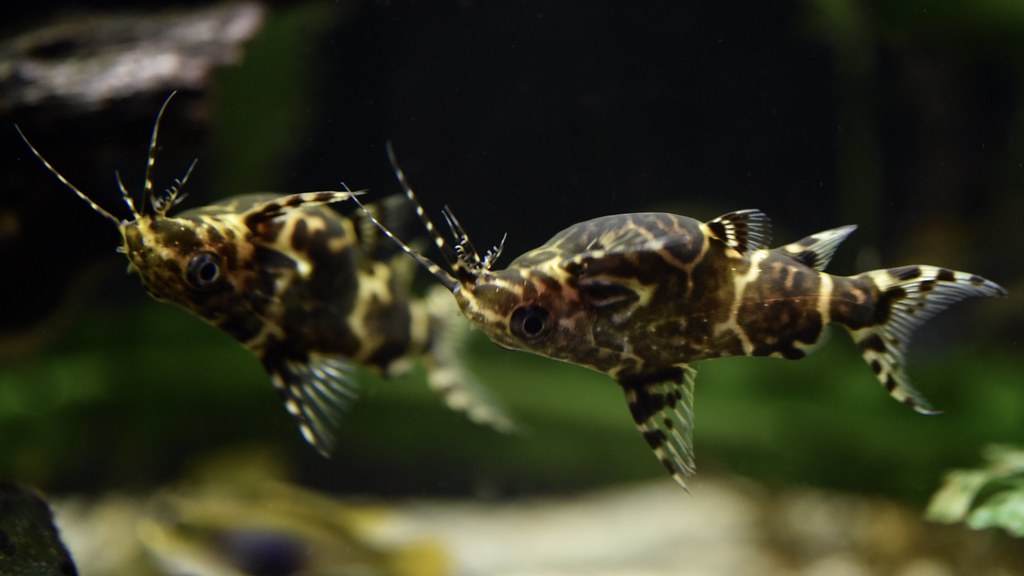
Upside-Down Catfish
Freshwater Catfish
Category:
Difficulty
Moderate
Temperament:
Peaceful but opportunistic
The Upside-Down Catfish (Synodontis nigriventris) is a unique and fascinating freshwater fish known for its unusual habit of swimming upside down. Native to the Congo River Basin in Central Africa, this species is relatively small, growing up to 4 inches (10 cm), making it suitable for small to medium-sized aquariums.
Upside-Down Catfish are recognized for their dark brown and cream mottled patterns, which help them blend in with their surroundings. Their upside-down swimming behavior allows them to feed off the water’s surface and underside of objects in their habitat.
These catfish thrive in warm water, ideally between 72-82°F (22-28°C), and prefer well-planted tanks with plenty of hiding spots. They are peaceful and do well in community tanks with other non-aggressive species.
As omnivores, Upside-Down Catfish enjoy a diet of sinking pellets, algae wafers, and live or frozen foods like bloodworms. Hardy and easy to care for, they are an entertaining and unusual addition to freshwater aquariums.
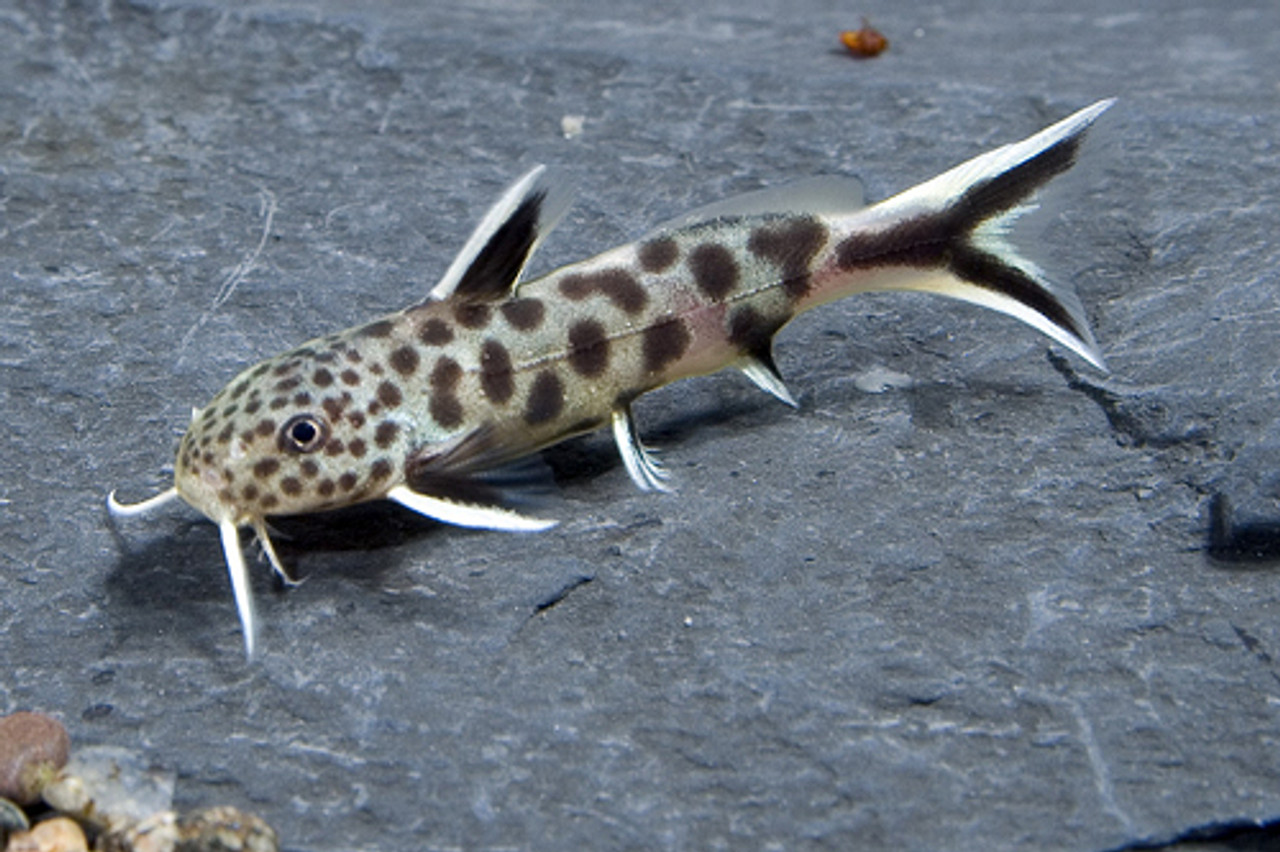
Petricola Catfish
Freshwater Catfish
Category:
Difficulty
Easy
Temperament:
Peaceful
The Synodontis Petricola, also known as the Dwarf Petricola Catfish or Cuckoo Catfish, is a small and active freshwater species native to Lake Tanganyika in Africa. Growing up to about 4 inches (10 cm), this catfish is well-suited for medium-sized aquariums, especially those designed to replicate African lake environments.
Petricola Catfish are known for their attractive spotted pattern, with light spots on a dark body, and for their playful, social behavior. Unlike many other catfish, they are often seen swimming in groups and are active during the day.
These fish thrive in warm water, ideally between 75-82°F (24-28°C), and appreciate a rocky tank setup with plenty of caves and hiding spots. They are peaceful and do well in community tanks, particularly with other African cichlids.
As omnivores, Synodontis Petricola enjoy a varied diet of sinking pellets, algae wafers, and occasional live or frozen foods like bloodworms. Their hardy nature, unique appearance, and lively behavior make them a delightful addition to freshwater aquariums.
Featherfin Catfish
Freshwater Catfish
Category:
Difficulty
Easy
Temperament:
Peaceful but opportunistic
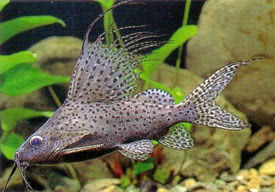
The Featherfin Catfish (Synodontis eupterus) is a distinctive freshwater species known for its elegant finnage and peaceful demeanor. Native to rivers and lakes in Central and West Africa, this catfish can grow up to 6-8 inches (15-20 cm) and is suitable for medium to large aquariums.
Featherfin Catfish are recognized by their feathery, extended dorsal fin and attractive marbled pattern of brown and black across their body. They are primarily bottom-dwellers and add a graceful presence as they glide through the tank.
These fish thrive in warm water, ideally between 72-82°F (22-28°C), and prefer a tank with plenty of hiding spots like caves and driftwood. They are generally peaceful and do well in community tanks with similar-sized fish.
As omnivores, Featherfin Catfish enjoy a diet of sinking pellets, algae wafers, and occasional live or frozen foods like bloodworms. Hardy and easy to care for, they make a fascinating and low-maintenance addition to freshwater aquariums.
Flagtail Porthole Catfish
Freshwater Catfish
Category:
Difficulty
Moderate
Temperament:
Peaceful but opportunistic
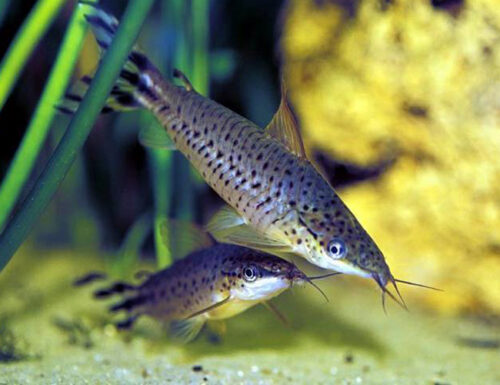
The Flagtail Porthole Catfish (Dianema urostriatum) is a peaceful and hardy freshwater species known for its unique appearance and active behavior. Native to the slow-moving waters of South America, particularly in Brazil, this catfish typically grows to about 4 to 6 inches (10 to 15 cm) in length.
Flagtail Porthole Catfish are characterized by their sleek, silver-gray bodies with dark, horizontal stripes along their flanks and a distinctive, striped pattern on their tail (hence the name "flagtail"). They also have long, whisker-like barbels that help them search for food in the substrate.
These catfish thrive in warm water conditions, ideally between 72-79°F (22-26°C), and prefer aquariums with soft, sandy substrates and plenty of hiding spots like plants and driftwood. They are peaceful and do well in community tanks, making them great tank mates for other calm species.
As omnivores, Flagtail Porthole Catfish enjoy a diet that includes sinking pellets, live or frozen foods such as bloodworms or brine shrimp, and plant matter. With proper care, they can live for 5-8 years, making them an attractive and low-maintenance addition to community freshwater aquariums.
Albino Hoplo Catfish
Freshwater Catfish
Category:
Difficulty
Moderate
Temperament:
Peaceful but opportunistic
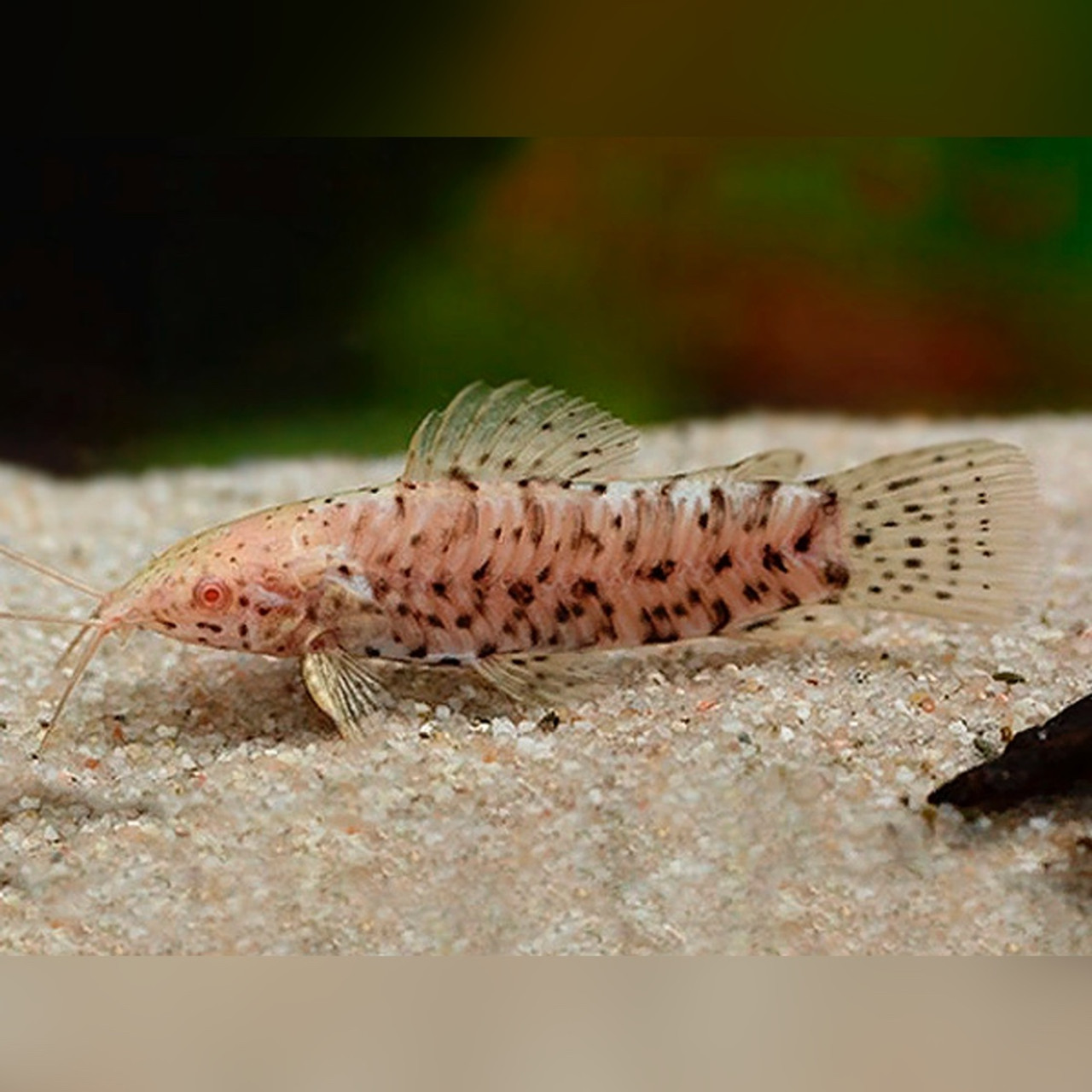
Albino Hoplo Catfish (Megalechis thoracata) are a hardy and peaceful freshwater species known for their pale, almost translucent white or pinkish coloration due to a lack of pigmentation. This albino variety has the same distinctive body shape as other Hoplo catfish, with a broad, armored body covered in bony plates and long, whisker-like barbels near their mouths that help them navigate and search for food.
Originating from the slow-moving rivers of South America, Albino Hoplo Catfish thrive in warm water temperatures ranging from 72-79°F (22-26°C) and prefer a soft, sandy substrate to prevent injury to their sensitive barbels. They are bottom dwellers, spending most of their time scavenging for leftover food, making them excellent tank cleaners.
These catfish are social and do well in groups, showing little to no aggression toward other tankmates. They are omnivorous, feeding on a diet of sinking pellets, algae wafers, and occasional live or frozen foods like bloodworms. With proper care, Albino Hoplo Catfish can live up to 10 years, adding both functionality and charm to a community aquarium.
Hoplo Catfish
Freshwater Catfish
Category:
Difficulty
Moderate
Temperament:
Peaceful but opportunistic
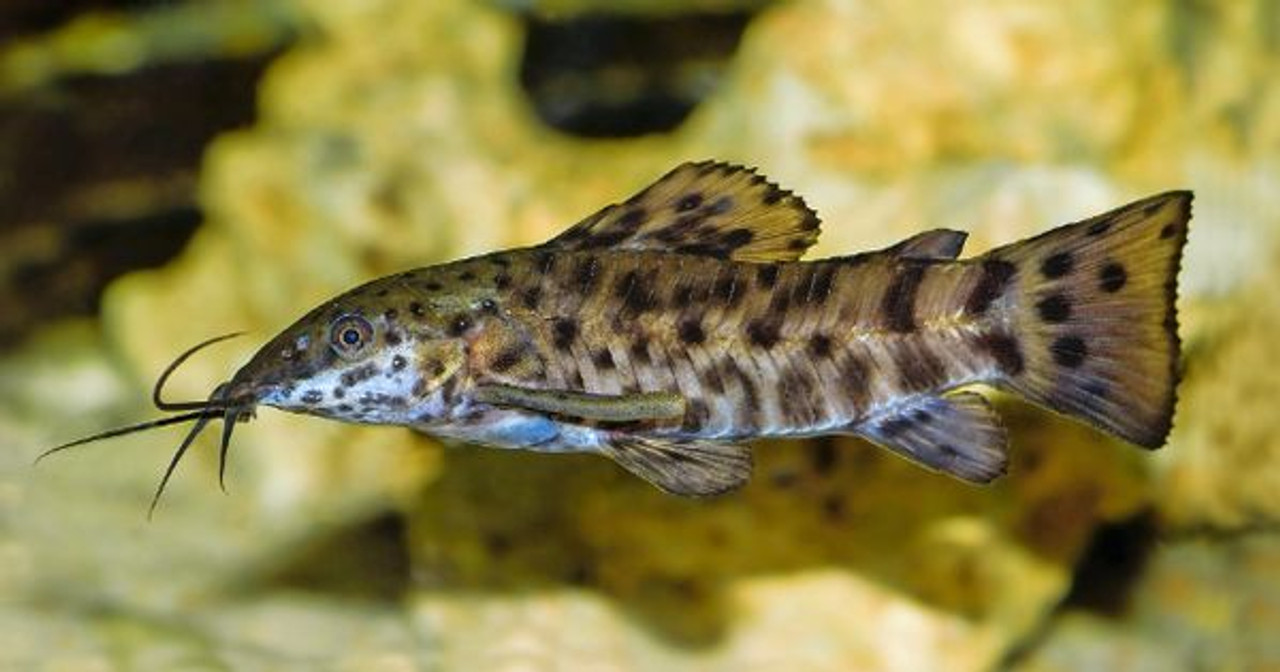
Hoplo Catfish (Megalechis thoracata) are a hardy and peaceful species of freshwater catfish known for their armored bodies and bottom-dwelling behavior. Native to the rivers and streams of South America, particularly in the Amazon and Orinoco basins, they have a robust, elongated body covered with bony plates that provide protection.
Hoplo Catfish thrive in warm water, typically between 72-82°F (22-28°C), and prefer aquariums with soft substrates, hiding spots, and plenty of vegetation. They are peaceful, making them great for community tanks, and are often seen foraging along the bottom for food.
These catfish are omnivores and do well on a diet of sinking pellets, flakes, and occasional live or frozen foods like bloodworms. With proper care, Hoplo Catfish can live for 5-8 years, making them a popular choice for aquarists looking for a hardy and interesting bottom-dweller.