
Fish List
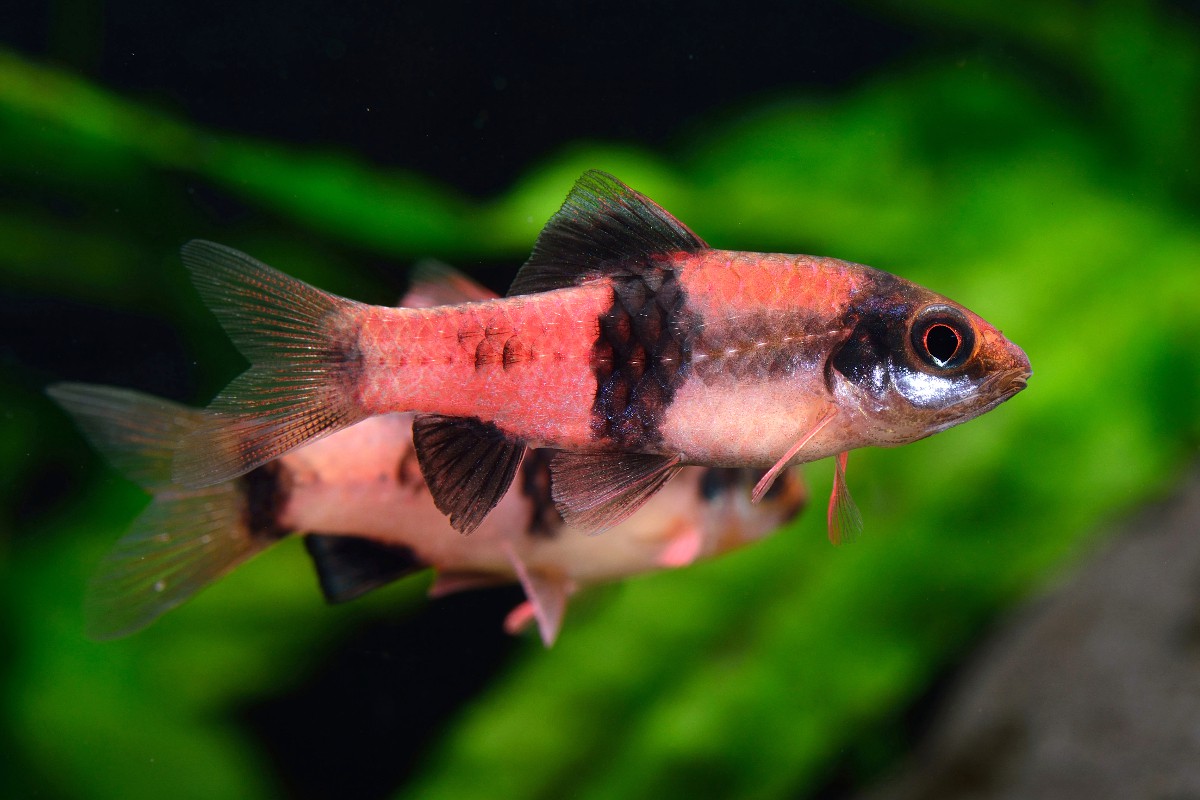
Melon Barb
Freshwater Barb Fish
Category:
Difficulty:
Easy
Temperament:
Mostly Peaceful
The melon barb, Haludaria (formerly Puntius) asteria, is a vibrant and lively freshwater fish native to the streams and rivers of Southeast Asia, particularly in countries like Malaysia and Indonesia. Known for its striking appearance, the melon barb typically features a slender body adorned with bright orange to red coloration, particularly prominent on its fins and belly. Its body is also marked with distinctive horizontal stripes or spots that can add to its visual appeal.
Melon barbs generally grow to about 2-3 inches in length, making them an excellent choice for community tanks. They are social and active fish that thrive in schools of at least six individuals, where their natural schooling behavior can be observed. These barbs prefer well-planted aquariums with plenty of open swimming space, as well as hiding spots among rocks and driftwood. They thrive in warm water temperatures ranging from 72-78°F and a slightly acidic to neutral pH (6.5-7.5).
As omnivores, melon barbs appreciate a varied diet that includes high-quality flakes, pellets, and live or frozen foods like daphnia and brine shrimp. Their peaceful temperament, striking coloration, and engaging behavior make melon barbs a popular choice among aquarists, adding movement and color to community tanks and enhancing the overall aquarium experience.
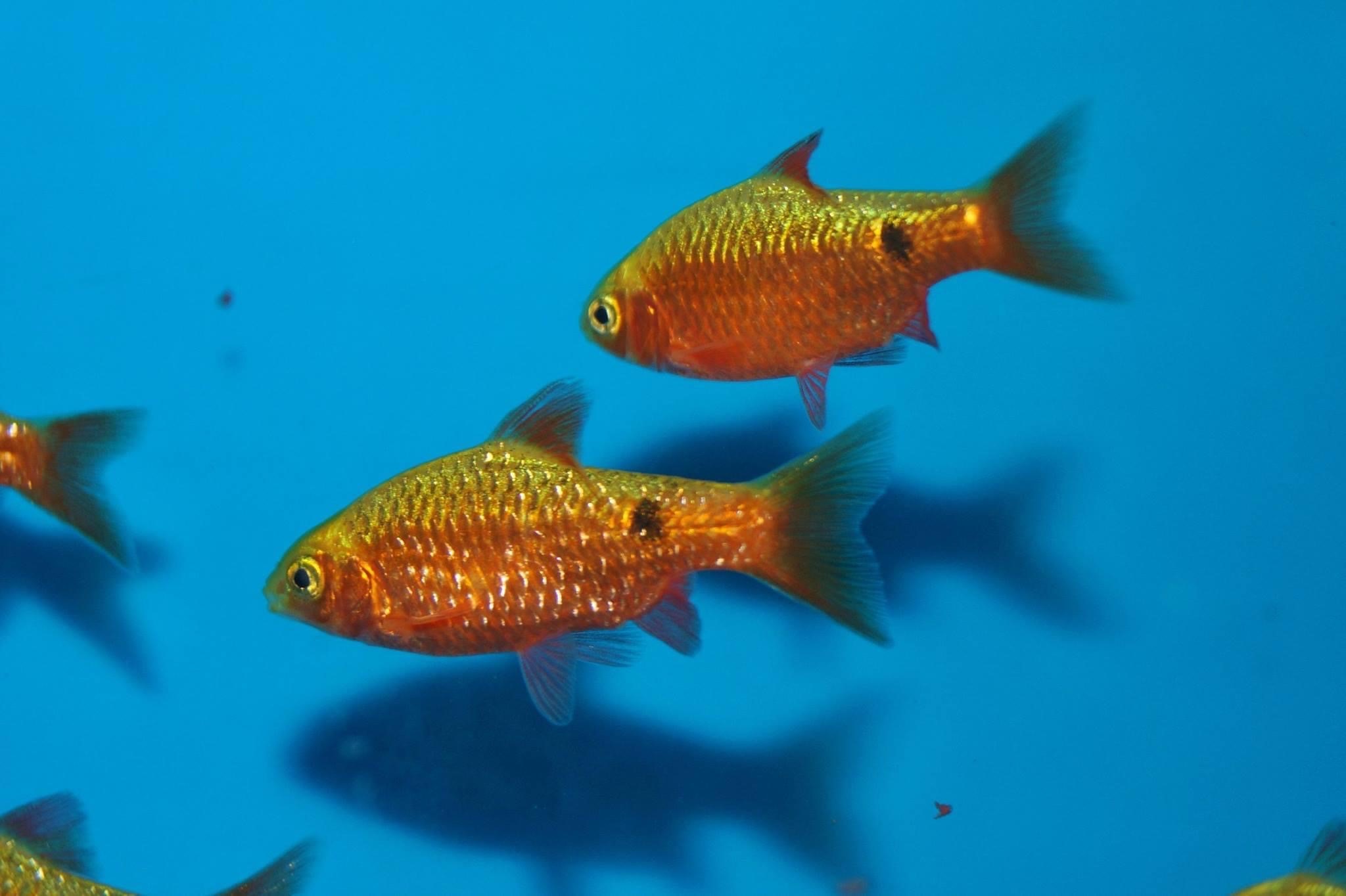
Rosy Barb
Freshwater Barb Fish
Category:
Difficulty:
Easy
Temperament:
Mostly Peaceful
The rosy barb, Pethia conchonius, is a popular freshwater fish native to the rivers and streams of South Asia, particularly in countries like India, Nepal, and Bangladesh. Recognized for its vibrant colors, the rosy barb features a slender body with a rosy pink to orange hue, complemented by a darker stripe along its sides and a forked tail. Typically growing to about 4-6 inches in length, these fish are known for their lively and active nature.
Rosy barbs are social fish that thrive in schools, making them ideal for community aquariums. They prefer well-planted tanks with open swimming areas and hiding spots, and they do well in water temperatures ranging from 64-74°F and a pH of 6.0-8.0. As omnivores, rosy barbs enjoy a varied diet that includes high-quality flakes, pellets, and occasional live or frozen foods.
Their striking appearance, playful behavior, and hardiness make rosy barbs a favorite among both novice and experienced aquarists looking to add vibrant life to their freshwater tanks.
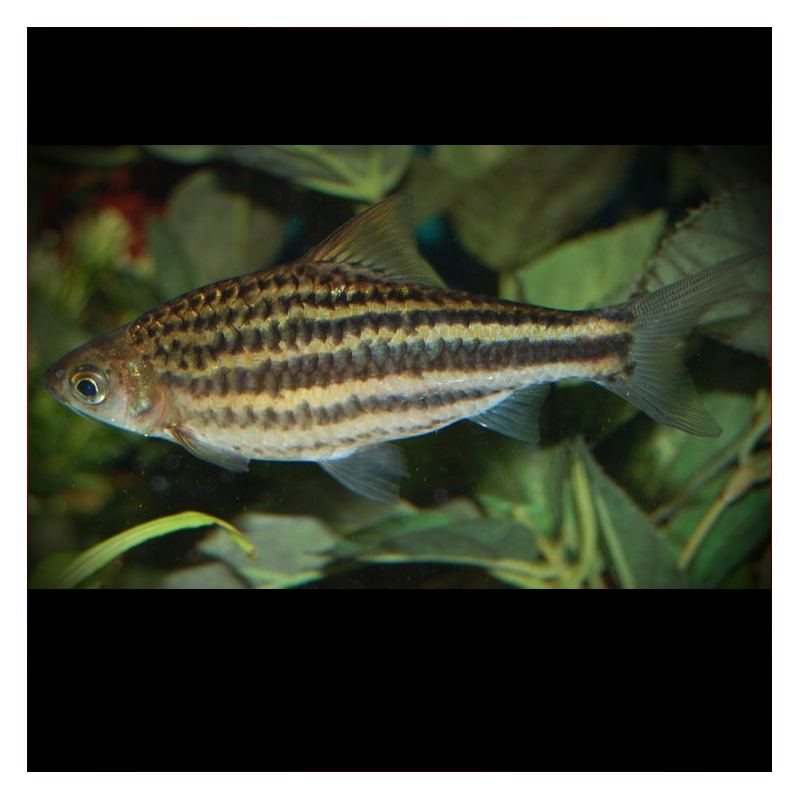
Striped Barb
Freshwater Barb Fish
Category:
Difficulty:
Easy
Temperament:
Mostly Peaceful
Desmopuntius johorensis, commonly known as the Johor barb or the Johor rasbora, is a vibrant freshwater fish native to the rivers and streams of the Johor region in Malaysia. This species is characterized by its slender body, which can reach up to 3-4 inches in length, and its striking coloration, often featuring a mix of iridescent hues, particularly shades of blue and silver, with dark markings.
Johor barbs are known for their peaceful and sociable nature, making them excellent additions to community tanks. They thrive in groups and prefer well-planted environments with plenty of swimming space and hiding spots. These fish do best in water temperatures between 72-78°F and a pH range of 6.0-7.5.
As omnivores, Johor barbs enjoy a varied diet that includes high-quality flakes, pellets, and occasional live or frozen foods. Their lively behavior and colorful appearance make them a popular choice among aquarists looking to create a dynamic and engaging freshwater aquarium.
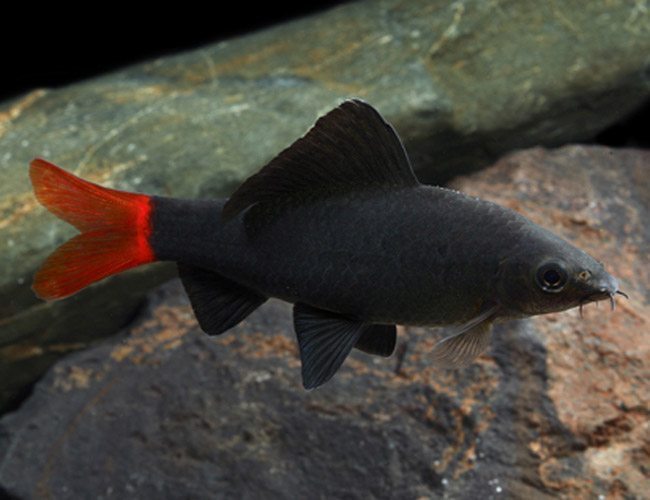
Red Tail Shark
Freshwater Barb Fish
Category:
Difficulty:
Easy
Temperament:
Can be aggressive
The red tail shark, Epalzeorhynchos bicolor, is a striking freshwater fish recognized for its sleek, dark body and vibrant red or orange tail fin. Native to the rivers of Thailand and Southeast Asia, this semi-aggressive species typically grows to about 6 inches in length and is best suited for larger aquariums of at least 55 gallons. Red tail sharks are territorial, especially with other bottom-dwelling fish, so providing ample hiding places and structure is crucial for their well-being. They thrive in water temperatures ranging from 72-81°F and prefer a pH of 6.5-7.5. Their diet consists of algae, sinking pellets, and fresh vegetables, making them both an eye-catching and functional addition to community tanks for experienced aquarists.
Albino Rainbow Shark
Freshwater Barb Fish
Category:
Difficulty:
Easy
Temperament:
Can be aggressive
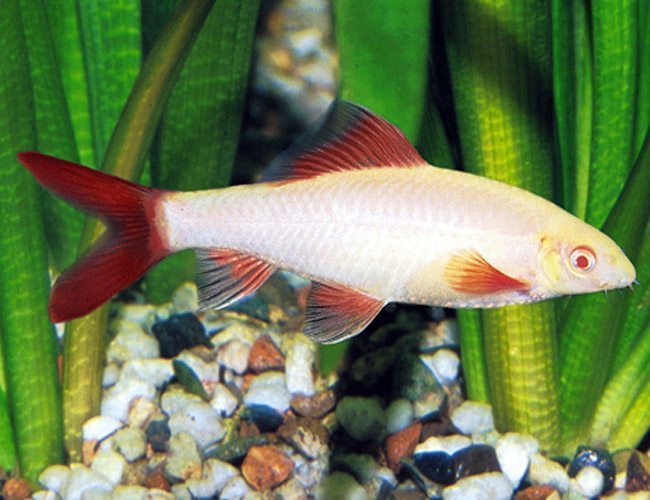
The albino rainbow shark, Epalzeorhynchos frenatum (albino variant), is a striking freshwater fish known for its pale pink or white body and vibrant red or orange fins. Native to Southeast Asia, this semi-aggressive species typically grows up to 6 inches in length and is best suited for larger aquariums of at least 55 gallons. Albino rainbow sharks are territorial, especially with other bottom-dwellers, so providing plenty of hiding spots and structure in the tank is essential. They thrive in water temperatures between 72-79°F and a pH range of 6.5-7.5. Their diet consists of algae, sinking pellets, and fresh vegetables, making them both an attractive and functional addition to community tanks for experienced aquarists.
Rainbow Shark
Freshwater Barb Fish
Category:
Difficulty:
Easy
Temperament:
Can be aggressive
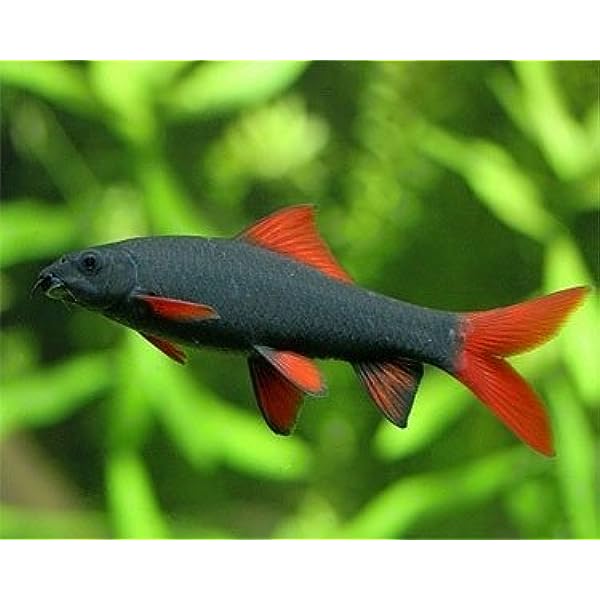
The rainbow shark, Epalzeorhynchos frenatum, is a striking freshwater fish with a dark, sleek body and vibrant red or orange fins. Native to rivers and streams in Southeast Asia, this semi-aggressive fish grows up to 6 inches, making it ideal for medium to large aquariums of at least 55 gallons. Rainbow sharks are territorial, especially with other bottom-dwelling fish, and do best in tanks with hiding spots and subdued lighting. They prefer water temperatures between 72-79°F with a pH of 6.5-7.5. Their diet includes algae, sinking pellets, and fresh vegetables, making them an attractive and helpful addition to experienced aquarists’ tanks.
Bala Shark
Freshwater Barb Fish
Category:
Difficulty:
Easy
Temperament:
Mostly Peaceful
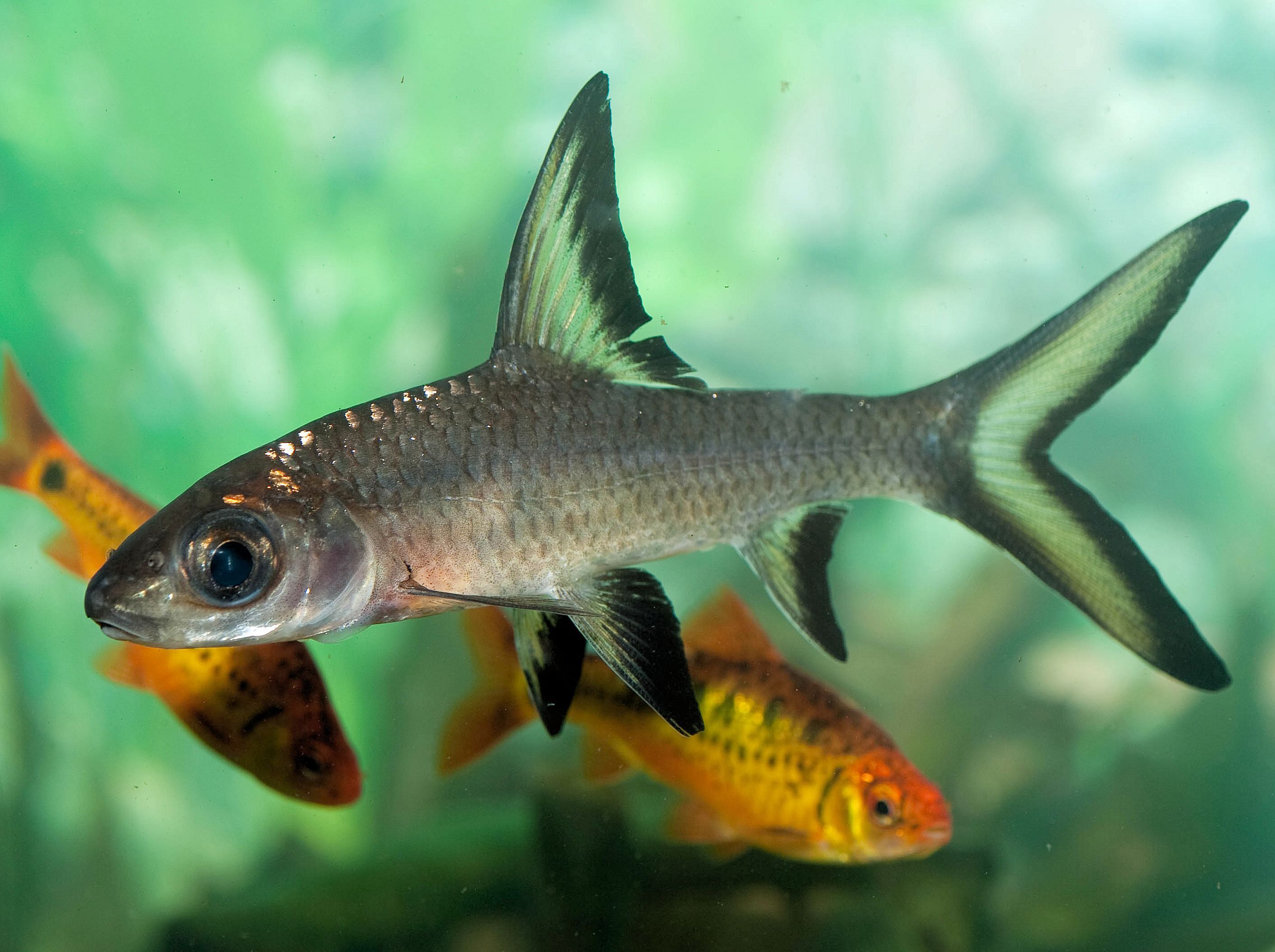
The bala shark, Balantiocheilos melanopterus, is a sleek, silver-bodied freshwater fish with a distinct shark-like shape and striking black-edged fins. Native to Southeast Asia, bala sharks can grow up to 12–14 inches in captivity, requiring a large aquarium of at least 125 gallons. Known for their active and peaceful nature, they thrive in groups of three or more, making them a lively addition to large community tanks. Bala sharks prefer water temperatures between 72-82°F with a neutral pH and benefit from a varied diet of high-quality flakes, pellets, and occasional live or frozen foods. Due to their size and schooling needs, they are best suited for experienced fish keepers with ample space.
Roseline Shark
Freshwater Barb Fish
Category:
Difficulty:
Moderate
Temperament:
Mostly Peaceful
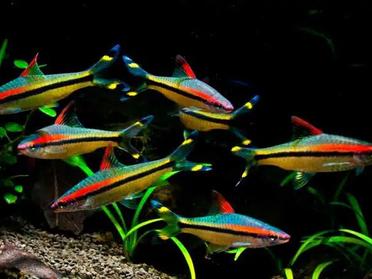
The roseline shark, also known as the Denison barb (Sahyadria denisonii), is a vibrant, torpedo-shaped freshwater fish native to the rivers of India. Known for its striking coloration, it has a silver body with a bold red stripe along its head and a black stripe running the length of its body, often complemented by yellow and black tail markings. Growing up to 4-6 inches, roseline sharks are active, peaceful schooling fish that thrive in groups of six or more in aquariums of at least 55 gallons. They prefer water temperatures of 72-77°F and a neutral pH, and their diet includes quality flakes, pellets, and occasional live or frozen foods. With their dynamic swimming and bright colors, roseline sharks are a lively addition to community tanks.
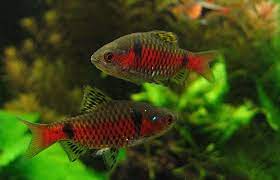
Odessa Barb
Freshwater Barb Fish
Category:
Difficulty:
Easy
Temperament:
Peaceful
Origin: Aquacultured Asia
Diet: Omnivore, will accept all kinds of frozen and prepared foods
Adult Size: 2.5″
Recommended Tank Size: 15 gallons
Compatibility: Generally peaceful but fast moving, which could stress out smaller, slower-moving tankmates
Preferred Water Parameters
pH: 6.0 – 7.0
Temp: 76-80F
Ammonia: 0ppm
Nitrite: 0ppm
Nitrate: <30ppm
Tiger Barb
Freshwater Barb Fish
Category:
Difficulty:
Easy
Temperament:
Can be aggressive
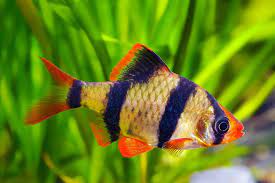
The Tiger Barb is silver/gold with black stripes and orange accented fins. They are a very lively, playful fish that prefers to be in schools.
They prefer a well-planted tank of at least 30 gallons with soft, slightly acidic water. Rocks and driftwood can be added to the aquarium, but leave plenty of space for swimming. The Tiger Barb is a very active fish that may pester or even nip the fins of larger, slower moving fish.
It is best, when trying to breed the Tiger Barb, to house a number of Barbs in the same aquarium until they pair off. After a pair has developed, the female will lay the eggs and the male will follow behind to fertilize. The fry will be free-swimming after about 5 days. Feed the fry newly hatched brine shrimp until large enough to accept crushed flake food.
The Tiger Barb needs to be fed a variety of foods including vegetables as well as meaty foods. Feed a quality flake food as well as live and frozen foods such as brine shrimp and bloodworms.