
Fish List
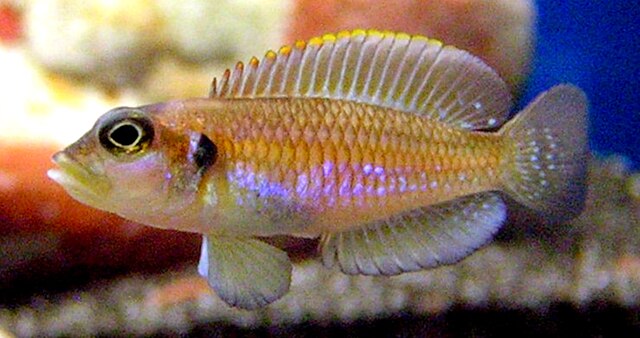
Lamprologus ocellatus
Freshwater Cichlids
Category:
Difficulty:
Temperament:
Easy
Mostly Peaceful
Lamprologus ocellatus, also known as the Ocellated Shell Dweller, is a small, striking cichlid from Lake Tanganyika. Typically growing to around 2.5 inches (6.5 cm), it features a golden body with distinct dark spots (ocelli) along its sides, which give it its name. Like other shell dwellers, it prefers to live in empty shells, using them for both protection and breeding. This species is peaceful but territorial, especially around its chosen shell, and thrives in sandy substrate with plenty of shells for hiding. It’s a popular choice for aquarium enthusiasts due to its unique behavior and beautiful coloration.
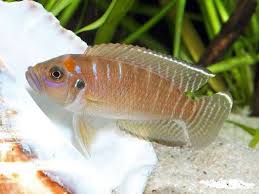
Neolamprologus brevis
Freshwater Cichlids
Category:
Difficulty:
Temperament:
Easy
Mostly Peaceful
Neolamprologus brevis, commonly known as the Brevis Cichlid or Short Cichlid, is a small and peaceful species native to Lake Tanganyika. Growing to about 2 inches (5 cm), it is one of the smaller shell-dwelling cichlids, often seen inhabiting empty shells for both shelter and breeding. The Brevis Cichlid has a pale yellow to light brown body with dark vertical stripes and a distinct black spot near its dorsal fin. It is peaceful by nature but territorial, particularly around its chosen shell. This species thrives in aquariums with sandy substrates and plenty of shells to mimic its natural habitat.
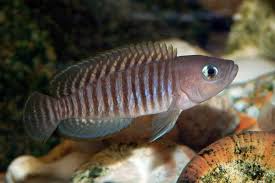
Lamprologus multifasciatus
Freshwater Cichlids
Category:
Difficulty:
Temperament:
Easy
Mostly Peaceful
Lamprologus multifasciatus, commonly known as the Multifasciatus Cichlid or Shell Dweller, is a small, fascinating cichlid species from Lake Tanganyika. Growing to about 2 inches (5 cm), it is well-known for its unique habit of living in empty shells, which it uses for shelter and breeding. It has a striking pattern of dark vertical stripes on a pale body. Peaceful but territorial, it thrives in aquariums with sandy substrates and plenty of empty shells for hiding.
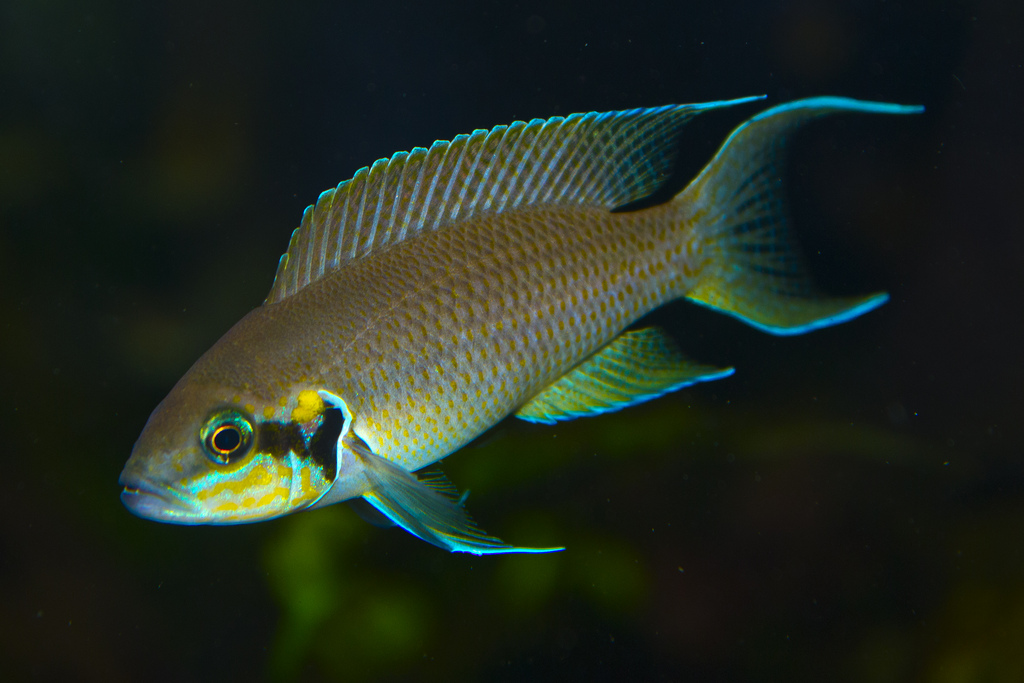
Lamprologus brichardi
Freshwater Cichlids
Category:
Difficulty:
Temperament:
Easy
Mostly Peaceful
Lamprologus brichardi, also known as the Fairy Cichlid, is a small and peaceful species native to Lake Tanganyika. With a distinctive appearance, it has a silvery body and long, flowing fins. Growing up to 4 inches (10 cm), it is known for its social and cooperative behavior, often living in large colonies. This species thrives in rocky, alkaline environments, and is a popular choice for aquarium enthusiasts who can replicate its natural habitat with plenty of hiding spots and territories.
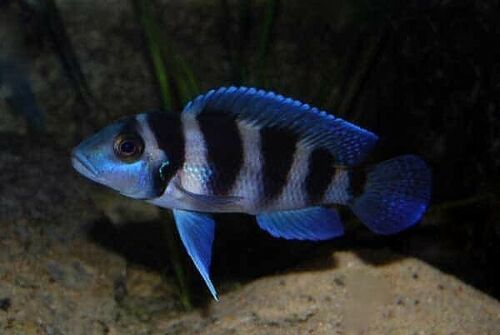
Lamp. tretocephalus
Freshwater Cichlids
Category:
Difficulty:
Temperament:
Easy
Mostly Peaceful
Lamprologus tretocephalus is a striking cichlid species from Lake Tanganyika in Africa, known for its bold black-and-white vertical stripes and stocky body. Growing up to 5–6 inches (12–15 cm), it's semi-aggressive and territorial, especially during breeding. It prefers rocky habitats and is best kept in species-specific or carefully selected community tanks with hard, alkaline water.
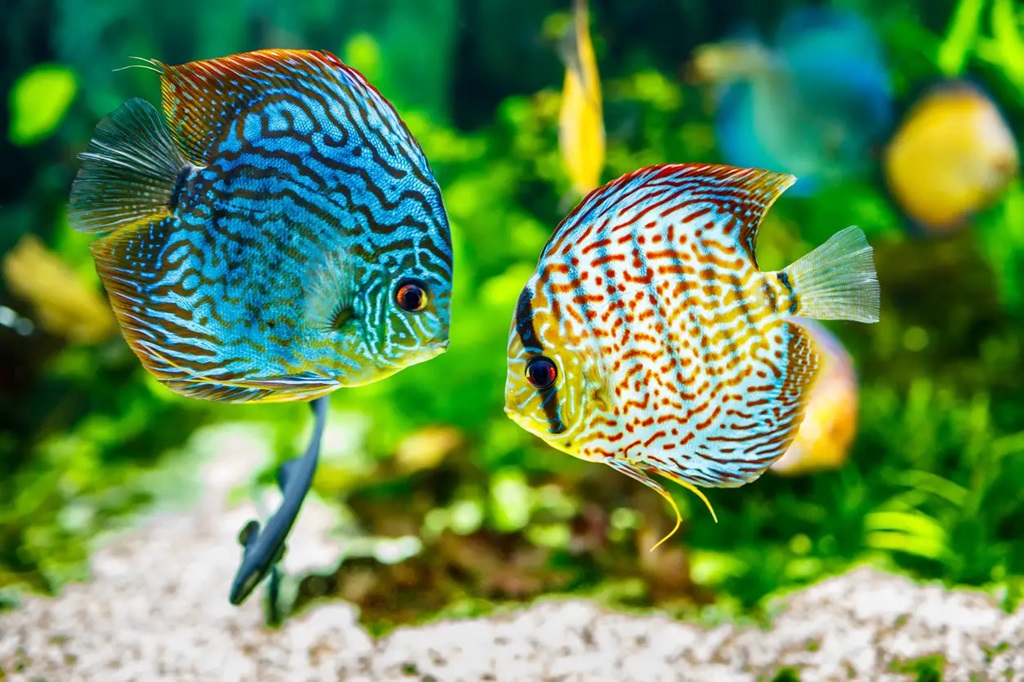
Assorted Discus
Freshwater Cichlids
Category:
Difficulty:
Temperament:
Difficult
Peaceful
Discus fish, scientifically known as Symphysodon spp., are among the most admired and sought-after freshwater aquarium fish due to their stunning appearance and unique behavior. Native to the slow-moving rivers and flooded forests of the Amazon Basin in South America, discus fish are recognized for their distinctive, round shape and vibrant colors, which can include shades of blue, green, red, and yellow, often featuring intricate patterns and markings.
Typically reaching sizes of 6-8 inches in diameter, discus fish are known for their graceful swimming and social nature. They are best kept in groups of five or more, as they exhibit natural schooling behavior and thrive in a community environment. However, they can be somewhat sensitive and require stable water conditions to thrive. Ideal parameters include temperatures between 82-86°F and a slightly acidic to neutral pH of 6.0-7.5.
Discus fish are omnivorous and thrive on a varied diet that includes high-quality pellets, flakes, and live or frozen foods like brine shrimp and bloodworms. Their unique shape and striking coloration make them a centerpiece in any aquarium, but they do require more care and attention compared to many other freshwater species, making them better suited for experienced aquarists. When kept in the right conditions, discus fish can be a breathtaking addition to a freshwater tank, showcasing their beauty and grace.
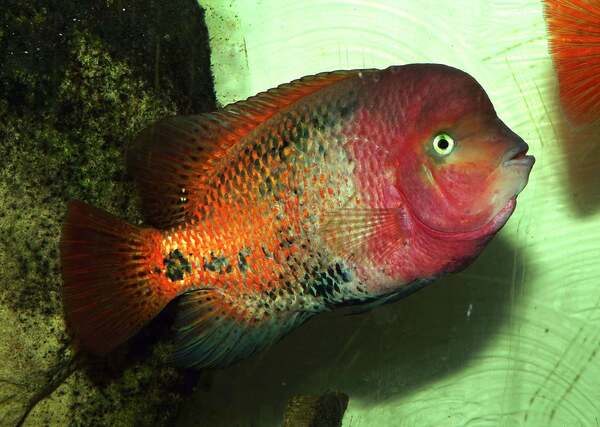
Synspilus Cichlid
Freshwater Cichlids
Category:
Difficulty:
Temperament:
Easy
Aggressive
The synspilus cichlid, Paraneetroplus synspilus, is a visually stunning freshwater fish native to the lakes and rivers of Central America, particularly found in Nicaragua and Costa Rica. Known for its vibrant colors and unique patterns, the synspilus cichlid features a robust, elongated body that can grow up to 8-10 inches in length. Its striking coloration typically includes a base of bright yellow to gold, accented by bold black spots and horizontal bands, which can vary in intensity depending on the individual and its environment.
Synspilus cichlids are generally semi-aggressive and can exhibit territorial behavior, especially during breeding. They do best in larger aquariums of at least 50-75 gallons, where they can establish territories and have ample swimming space. The ideal tank setup includes plenty of hiding spots with rocks, caves, and plants, mimicking their natural habitat. They thrive in warm water temperatures ranging from 75-82°F and prefer slightly acidic to neutral pH levels (6.5-7.5).
As omnivores, synspilus cichlids require a balanced diet that includes high-quality pellets, live or frozen foods like shrimp and worms, as well as some vegetable matter. Their striking appearance, engaging personality, and dynamic behavior make them a popular choice among cichlid enthusiasts. With proper care and tank conditions, Paraneetroplus synspilus can be a beautiful and lively addition to a well-maintained aquarium.
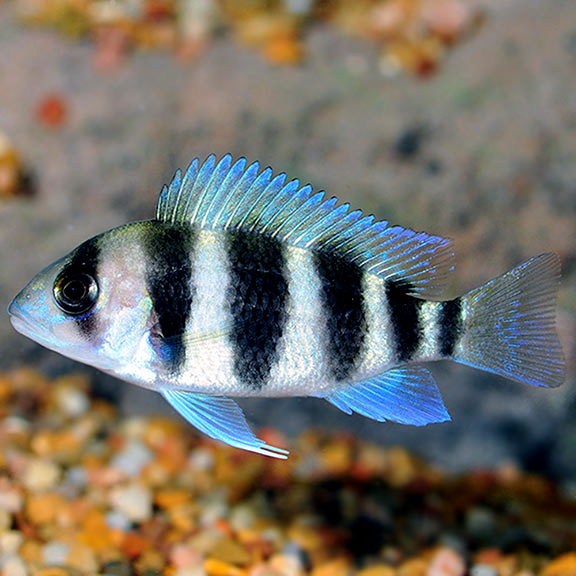
Frontosa Cichlid
Freshwater Cichlids
Category:
Difficulty:
Temperament:
Easy
Aggressive
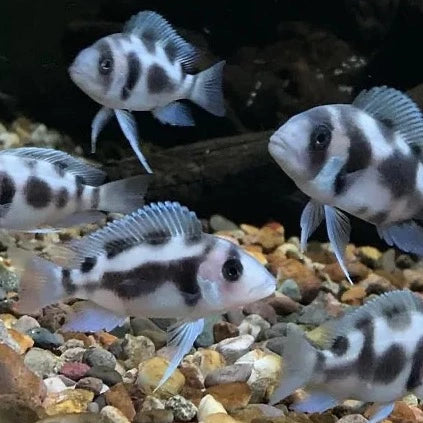
The Frontosa cichlid, Cyphotilapia frontosa, is a majestic African cichlid native to the deep, rocky waters of Lake Tanganyika in East Africa. Known for its distinctive appearance, the Frontosa features a prominent nuchal hump on its forehead, a large, muscular body, and bold vertical stripes in contrasting shades of blue, black, or white, depending on the variant. These cichlids are slow-growing and can reach an impressive size of 12-14 inches, making them one of the larger cichlid species.
Frontosas are relatively peaceful compared to many other cichlids, but they are also territorial, especially with their own kind. They are best kept in species-specific setups or in large African cichlid community tanks with other Tanganyika species. These fish require spacious tanks of at least 100 gallons, as they need stable, highly oxygenated water and plenty of swimming space. They prefer water with high alkalinity (pH of 8.0-9.0) and temperatures between 75-79°F, reflecting the unique conditions of their native lake.
Carnivores by nature, Frontosas enjoy a diet of high-quality pellets and occasional live or frozen foods such as krill, shrimp, and small fish. Their dignified demeanor, slow, graceful movements, and striking appearance make Frontosa cichlids a highly prized species among aquarists, particularly those specializing in African cichlid tanks.
Black Widow Frontosa
Freshwater Cichlids
Category:
Difficulty:
Temperament:
Easy
Aggressive
The "Black Widow Frontosa" is a rare and selectively bred variant of the Cyphotilapia frontosa, an African cichlid native to Lake Tanganyika. This unique variety maintains the distinctive characteristics of the Frontosa—its prominent hump on the head, thick body, and broad dorsal fins—but showcases a darker color palette, often with deeper blacks and more subdued whites or blues, giving it a more intense appearance.
Like the standard Frontosa, the Black Widow variant is a calm and regal fish but can be territorial. They can grow up to 12-14 inches in length and require a spacious tank of at least 100 gallons, as they prefer stable environments with plenty of room. Frontosas thrive in water with high alkalinity, pH levels of 8.0-9.0, and temperatures between 75-79°F to replicate the unique conditions of Lake Tanganyika.
Black Widow Frontosas are carnivores and enjoy a diet of high-quality pellets and occasional treats of live or frozen foods, such as krill and brine shrimp. They are slow-growing and known for their relatively peaceful behavior compared to other cichlids, making them suitable for large cichlid community tanks with other Lake Tanganyika species. Their rarity, striking appearance, and calm demeanor make Black Widow Frontosas a prized addition to specialized cichlid aquariums.
Jaguar Cichlid
Freshwater Cichlids
Category:
Difficulty:
Temperament:
Easy
Aggressive
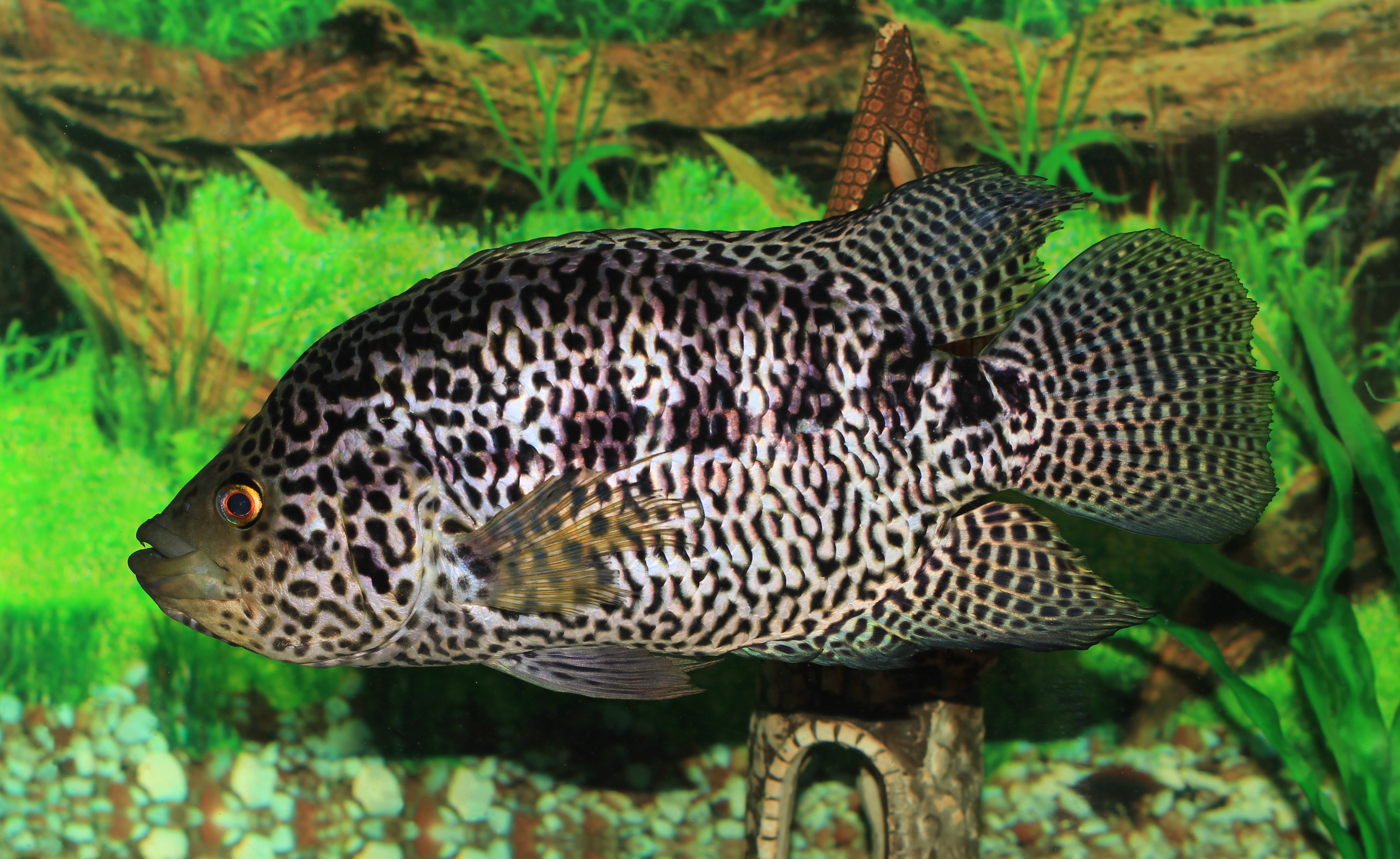
The jaguar cichlid, Parachromis managuensis, is a stunning freshwater fish native to the tropical rivers and lakes of Central America, particularly in Nicaragua and Costa Rica. Known for its striking pattern of dark spots on a golden-yellow body, which resembles a jaguar's coat, this species typically grows to about 12-15 inches in length. Jaguar cichlids are recognized for their bold and aggressive nature, making them suitable for larger community tanks with similarly sized and temperament-compatible species.
They thrive in well-maintained aquariums with plenty of hiding spots and prefer water temperatures between 75-82°F and a pH range of 6.5-8.0. As carnivorous fish, they benefit from a varied diet that includes high-quality pellets, live or frozen foods, and some plant matter. Their striking appearance, engaging behavior, and potential for interactive personalities make jaguar cichlids a favorite among cichlid enthusiasts and aquarium hobbyists seeking a dynamic centerpiece fish.
Electric Blue Jack Dempsey
Freshwater Cichlids
Category:
Difficulty:
Temperament:
Easy
Aggressive
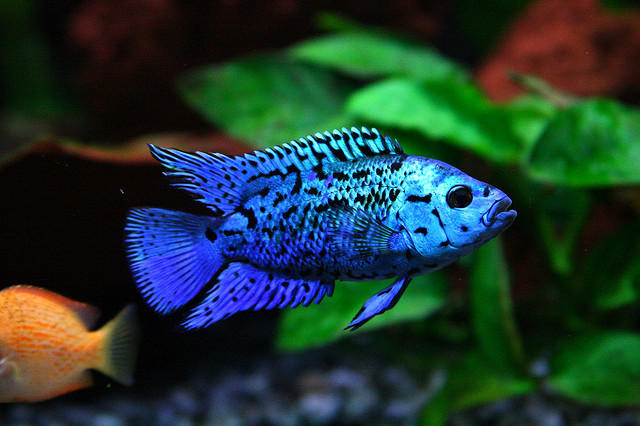
The electric blue Jack Dempsey cichlid, Rhamphochromis octofasciatus (electric blue variant), is a visually stunning freshwater fish renowned for its vibrant electric blue coloration and shimmering scales. A variant of the standard Jack Dempsey cichlid, this fish is native to Central America, particularly in rivers and lakes of Mexico and Honduras. Typically growing to about 6-8 inches in length, electric blue Jack Dempsey cichlids are known for their somewhat aggressive behavior, especially during breeding and territorial disputes.
They thrive in spacious aquariums with plenty of hiding spots and prefer water temperatures between 75-82°F and a pH range of 6.5-8.0. Electric blue Jack Dempsey cichlids are carnivorous and benefit from a varied diet that includes high-quality pellets, live or frozen foods, and occasional plant matter. Their striking coloration and dynamic personality make them a popular choice among cichlid enthusiasts and aquarium hobbyists looking for a captivating centerpiece fish.
Jack Dempsey Cichlid
Freshwater Cichlids
Category:
Difficulty:
Temperament:
Easy
Aggressive
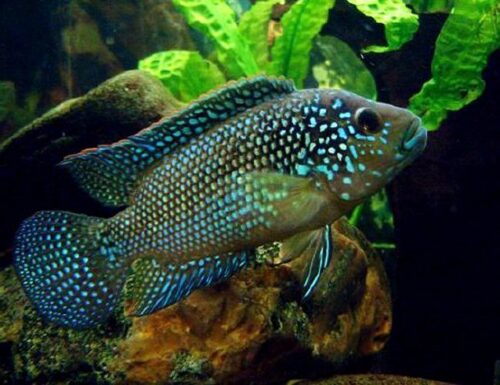
The Jack Dempsey cichlid, Rhamphochromis octofasciatus, is a striking freshwater fish native to the rivers and lakes of Central America, particularly in Mexico and Honduras. Named after the famous boxer for its aggressive and tough demeanor, this species is known for its vibrant coloration, which can include shades of blue, green, and iridescent black, especially in males. Jack Dempsey cichlids typically grow to about 8-10 inches in length and can display territorial behavior, particularly during breeding.
They thrive in spacious aquariums with plenty of hiding spots and prefer water temperatures between 75-82°F, with a pH range of 6.5-8.0. These cichlids are carnivorous and benefit from a varied diet that includes high-quality pellets, live or frozen foods, and some vegetable matter. Their striking appearance, engaging behavior, and potential for interaction with owners make them a popular choice among cichlid enthusiasts and aquarium hobbyists.
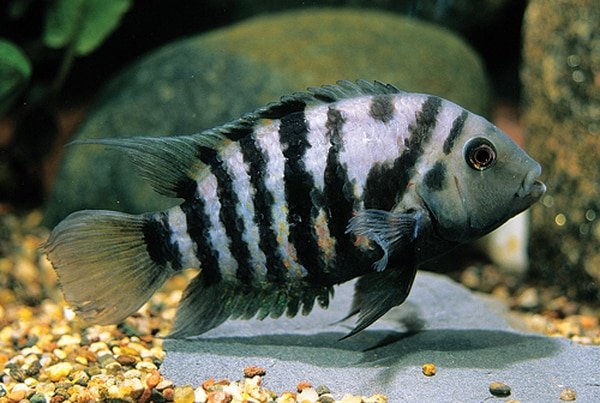
Convict Cichlid
Freshwater Cichlids
Category:
Difficulty:
Temperament:
Easy
Mostly Peaceful
The convict cichlid, Amatitlania nigrofasciata, is a popular freshwater fish native to Central America, particularly found in rivers and lakes in countries like Nicaragua and Costa Rica. Known for its striking black and white vertical stripes, which resemble a convict’s uniform, this species typically grows to about 4-6 inches in length. Convict cichlids are recognized for their bold and aggressive behavior, especially during breeding, making them a fascinating yet challenging addition to community tanks.
They thrive in well-planted aquariums with hiding spots and prefer water temperatures between 75-82°F and a pH range of 6.5-8.0. Convict cichlids are omnivorous, enjoying a varied diet that includes high-quality pellets, frozen or live foods, and vegetables. Their vibrant coloration, hardy nature, and interesting breeding behaviors make them a favorite among both novice and experienced aquarists.
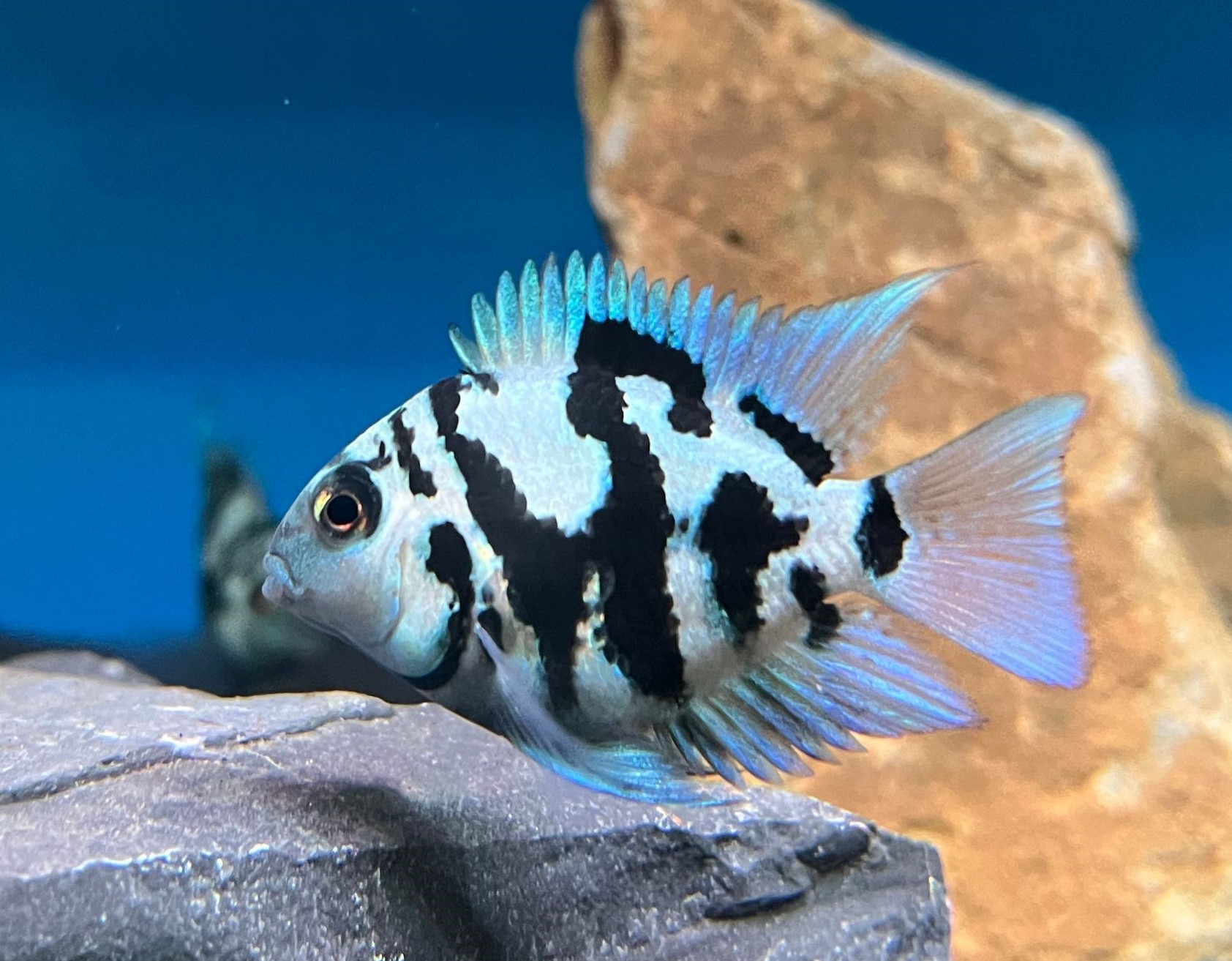
Polar Blue Cichlid
Freshwater Cichlids
Category:
Difficulty:
Temperament:
Easy
Mostly Peaceful
The polar blue cichlid, also known as Haplochromis sp. "polar blue," is a stunning freshwater fish that originates from the African Great Lakes, particularly Lake Tanganyika. Renowned for its vibrant blue coloration and striking appearance, this species typically grows to about 5-6 inches in length. The polar blue cichlid is known for its relatively peaceful demeanor, making it suitable for community aquariums, although it can display territorial behavior, especially during breeding.
These cichlids thrive in well-structured tanks with plenty of hiding spots and prefer water temperatures between 75-80°F, with a pH range of 7.5-8.5. They are omnivorous, enjoying a varied diet that includes high-quality pellets, frozen or live foods, and plant matter. Their captivating coloration and engaging personality make the polar blue cichlid a favorite among aquarium enthusiasts looking to enhance their freshwater displays.
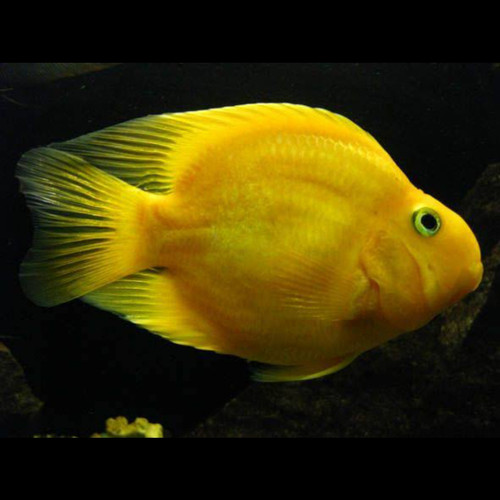
Yellow Parrot Cichlid
Freshwater Cichlids
Category:
Difficulty:
Temperament:
Easy
Mostly Peaceful
The yellow parrot cichlid, also known as Hoplarchus psittacus, is a vibrant freshwater fish characterized by its bright yellow coloration and distinctive beak-like mouth. This hybrid cichlid, bred for its striking appearance, typically grows to about 6-8 inches in length and is known for its friendly and social nature, making it a popular choice in the aquarium trade.
Yellow parrot cichlids thrive in well-maintained aquariums with plenty of hiding spots and prefer water temperatures between 75-80°F, with a pH range of 6.0-7.5. They are omnivorous and benefit from a varied diet that includes high-quality pellets, frozen or live foods, and plant matter. Their unique appearance, lively personality, and adaptability to community settings make them an attractive option for both novice and experienced aquarists.
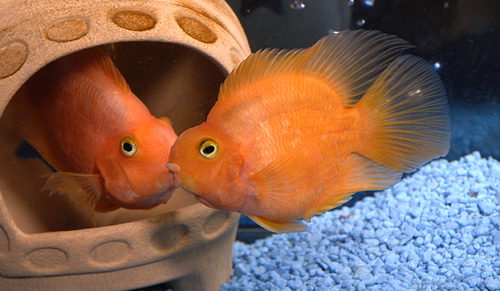
Red Parrot Cichlid
Freshwater Cichlids
Category:
Difficulty:
Temperament:
Easy
Mostly Peaceful
The red parrot cichlid, often referred to as the parrot cichlid (Hoplarchus psittacus), is a unique freshwater fish known for its distinctive beak-like mouth and vibrant coloration, which ranges from bright orange to red. This hybrid fish is a product of selective breeding, resulting in a playful and sociable nature, making it popular in the aquarium trade. Red parrot cichlids typically grow to about 6-8 inches in length and can be kept in community tanks, although they may exhibit territorial behavior, especially during breeding.
They thrive in well-maintained aquariums with plenty of hiding spots and prefer water temperatures between 75-80°F, with a pH range of 6.0-7.5. Red parrot cichlids are omnivorous, enjoying a varied diet that includes high-quality pellets, frozen or live foods, and plant matter. Their striking appearance and lively behavior make them a favorite among aquarists looking to add a unique and engaging species to their freshwater tanks.

Electric Blue Acara
Freshwater Cichlids
Category:
Difficulty:
Temperament:
Easy
Mostly Peaceful
The electric blue acara, Andinoacara pulcher, is a striking freshwater cichlid native to the rivers of South America, particularly in Brazil. Known for its vibrant electric blue coloration and shimmering scales, this species typically grows to about 4-6 inches in length. Electric blue acaras are relatively peaceful compared to many other cichlids, making them suitable for community tanks, although they can display some territorial behavior during breeding.
These cichlids thrive in well-planted aquariums with hiding spots and prefer water temperatures between 75-82°F, with a pH range of 6.5-8.0. They are omnivorous, enjoying a varied diet that includes high-quality pellets, frozen or live foods, and vegetables. Their striking appearance, engaging behavior, and compatibility with other species make electric blue acaras a popular choice among freshwater aquarium enthusiasts.
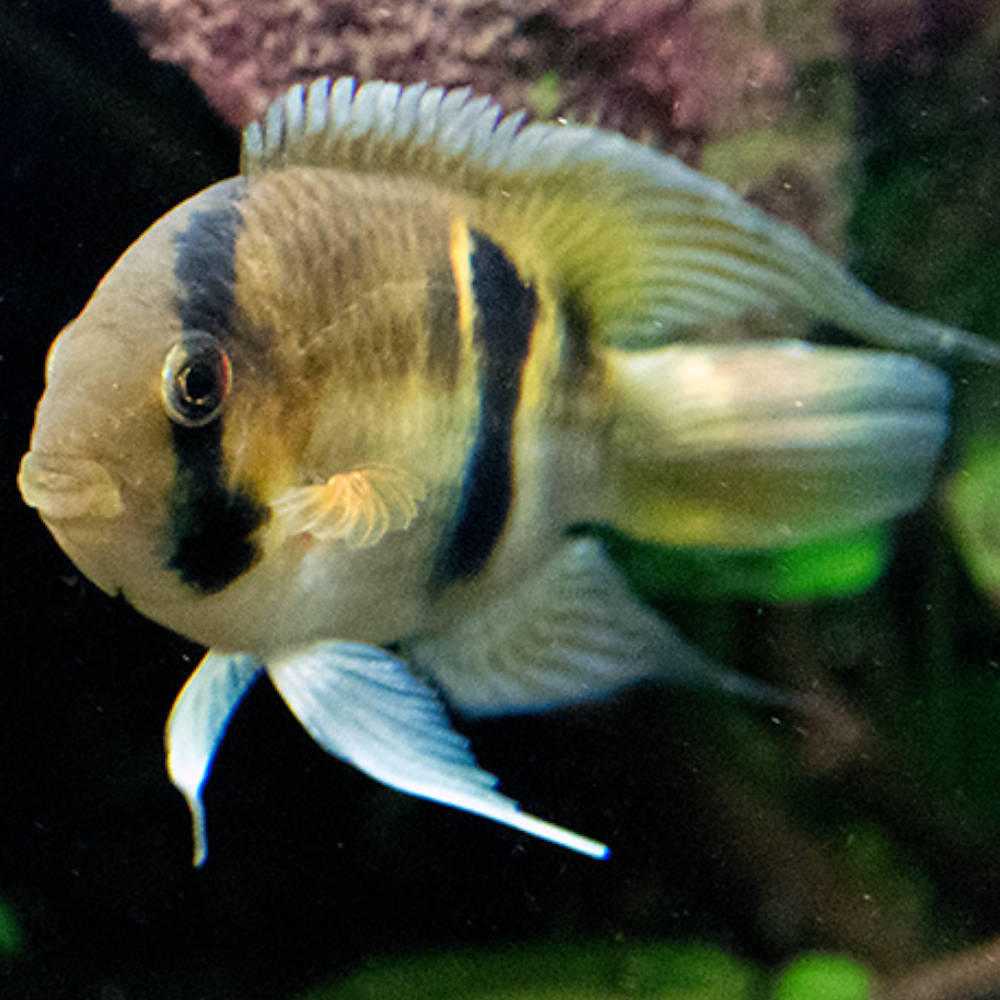
Keyhole Cichlid
Freshwater Cichlids
Category:
Difficulty:
Temperament:
Easy
Mostly Peaceful
The keyhole cichlid, Cleithracara maronii, is a captivating freshwater fish native to the slow-moving rivers and lakes of Central and South America, particularly in regions like the Amazon basin. Recognized for its unique shape, the keyhole cichlid features a distinctive dark spot on its flanks resembling a keyhole, which gives the species its name. Typically growing to about 4-6 inches in length, these cichlids are generally peaceful and can be kept in community tanks, although they may exhibit some territorial behavior, especially during breeding.
Keyhole cichlids thrive in well-planted aquariums with plenty of hiding spots and prefer water temperatures between 75-82°F and a pH range of 6.0-7.5. They are omnivorous, enjoying a varied diet that includes high-quality pellets, frozen or live foods, and plant matter. Their interesting behavior, unique appearance, and compatibility with other species make them a popular choice among aquarists seeking to create a diverse freshwater community tank.
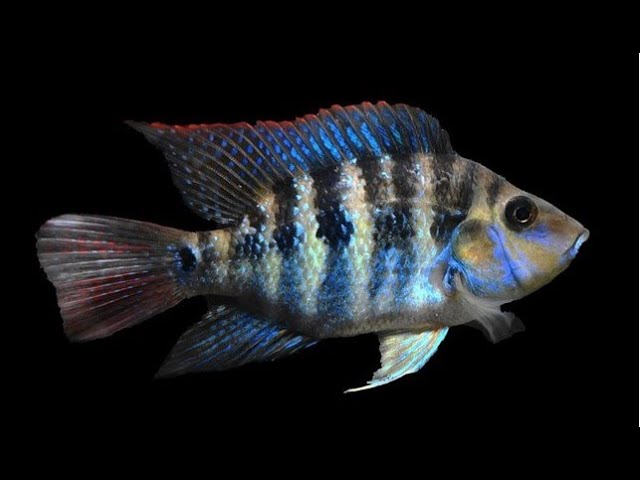
Robersoni Cichlid
Freshwater Cichlids
Category:
Difficulty:
Temperament:
Easy
Mostly Peaceful
The robersoni cichlid, Herichthys labridens, is a striking freshwater fish native to the lakes and rivers of Central America, particularly in Mexico. Known for its vibrant colors and patterns, this species typically exhibits a mix of blue, green, and yellow hues, often featuring dark vertical stripes along its body. Robersoni cichlids usually grow to about 6-8 inches in length and are known for their relatively peaceful nature, making them suitable for community tanks, although they can become territorial, especially during breeding.
They thrive in well-structured environments with plenty of hiding spots and prefer water temperatures between 75-82°F with a pH range of 6.5-8.0. Robersoni cichlids are omnivorous, enjoying a varied diet that includes high-quality pellets, live or frozen foods, and plant matter. Their attractive coloration and engaging behavior make them a popular choice among cichlid enthusiasts and aquarists looking to add dynamic species to their freshwater tanks.
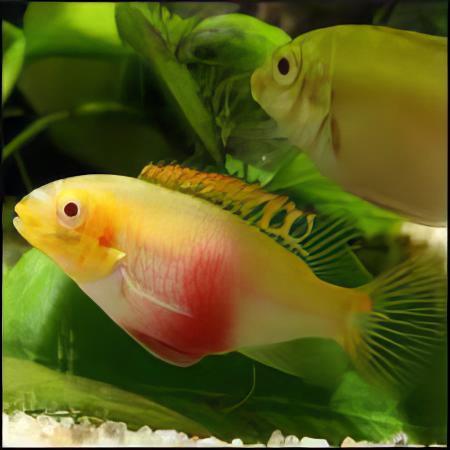
Albino Kribensis Cichlid
Freshwater Cichlids
Category:
Difficulty:
Temperament:
Easy
Peaceful
The albino kribensis cichlid, Pelvicachromis pulcher (albino variant), is a captivating freshwater fish native to West Africa. This variant is characterized by its striking pale white or pink body and vibrant red or orange markings, particularly on the fins and belly. Typically growing to about 3-4 inches in length, albino kribensis are known for their peaceful temperament, making them suitable for community aquariums.
These cichlids thrive in well-planted tanks with plenty of hiding spots and prefer water temperatures between 75-82°F with a slightly acidic to neutral pH. Like their standard counterparts, albino kribensis exhibit interesting breeding behaviors, often displaying vibrant colors to attract mates and spawning in caves or sheltered areas. Their unique coloration, engaging behavior, and relatively easy care requirements make them a popular choice among freshwater aquarium enthusiasts.
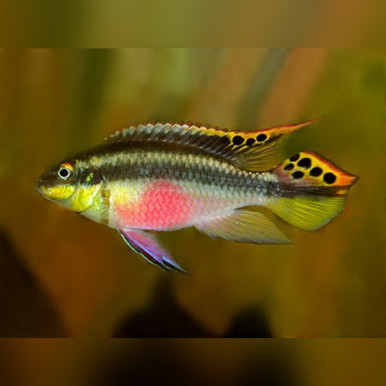
Kribensis Cichlid
Freshwater Cichlids
Category:
Difficulty:
Temperament:
Easy
Peaceful
The kribensis cichlid, Pelvicachromis pulcher, is a small, colorful freshwater fish native to the rivers and streams of West Africa. Known for its striking appearance, it features a vibrant body that ranges from greenish-yellow to purple, with distinctive red and blue markings, particularly on the fins and belly. Typically growing to about 3-4 inches in length, kribensis cichlids are known for their peaceful temperament, making them suitable for community tanks.
These cichlids thrive in well-planted aquariums with hiding spots and prefer water temperatures between 75-82°F, with a slightly acidic to neutral pH. Kribensis are also known for their interesting breeding behavior; they are cave spawners, with females displaying vibrant colors to attract mates. Their relatively easy care requirements, beautiful coloration, and engaging behavior make them a popular choice among freshwater aquarium enthusiasts.
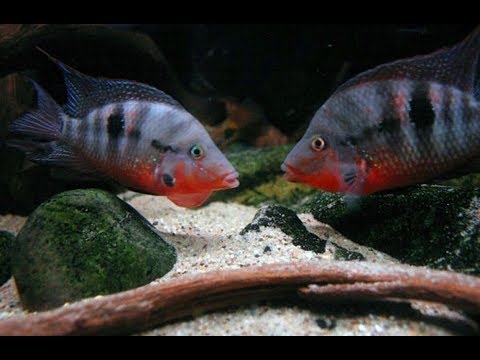
Firemouth Cichlid
Freshwater Cichlids
Category:
Difficulty:
Temperament:
Easy
Mostly Peaceful
The firemouth cichlid, Thorichthys meeki, is a vibrant freshwater fish native to Central America, particularly found in rivers and lakes in Mexico and Guatemala. Known for its striking appearance, this species features a blue-green body with a bright orange or red patch on its throat and belly, which becomes more pronounced during mating displays and when agitated. Typically growing to about 4-6 inches, firemouth cichlids are relatively peaceful but can be territorial, especially during breeding.
They thrive in aquariums with plenty of hiding spots and prefer water temperatures between 75-82°F with a pH range of 6.5-8.0. Firemouth cichlids are omnivorous, enjoying a varied diet that includes high-quality pellets, live or frozen foods, and vegetables. Their vibrant colors, engaging behavior, and manageable size make them a popular choice among cichlid enthusiasts and community aquarists alike.
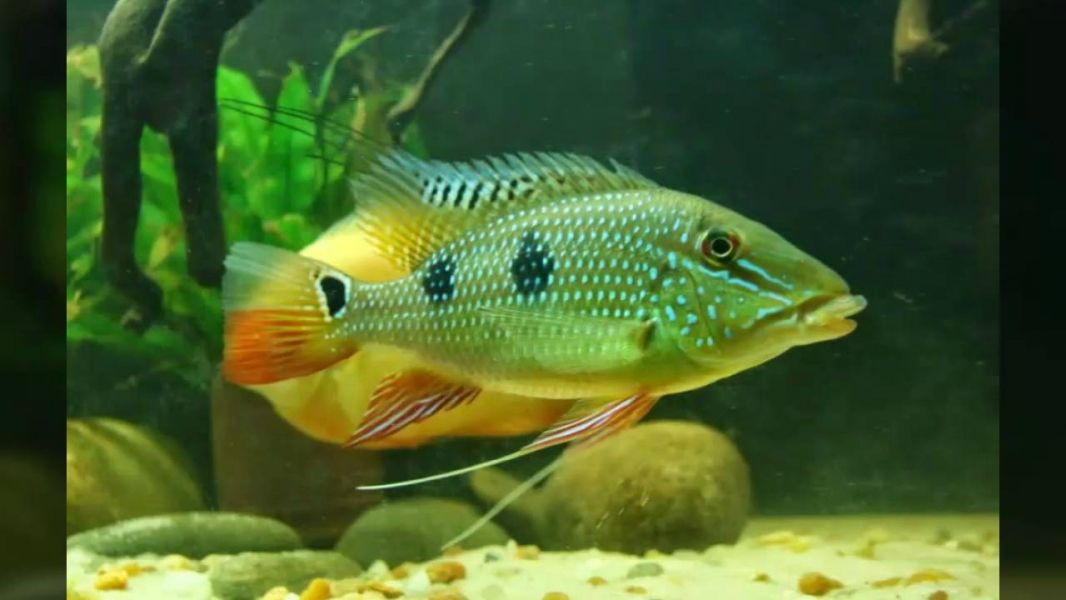
Geophagus daemon
Freshwater Cichlids
Category:
Difficulty:
Temperament:
Easy
Peaceful
Geophagus daemon, commonly known as the devil earth eater, is a captivating freshwater cichlid native to the Amazon River basin in South America. This species is recognized for its striking appearance, characterized by a deep, laterally compressed body and vibrant coloration, which can include shades of blue, yellow, and red, especially in males. Typically reaching lengths of 6-8 inches, devil earth eaters are known for their peaceful nature, making them suitable for community tanks, though they can display territorial behavior during breeding.
These cichlids thrive in sandy or fine gravel substrates, where they engage in their natural behavior of foraging for small invertebrates, detritus, and plant matter. Geophagus daemon prefers water temperatures between 75-82°F and a pH range of 6.0-7.5. Their interesting feeding habits, combined with their vibrant colors and relatively easy care, make them a popular choice among aquarists looking to add a unique species to their freshwater tanks.
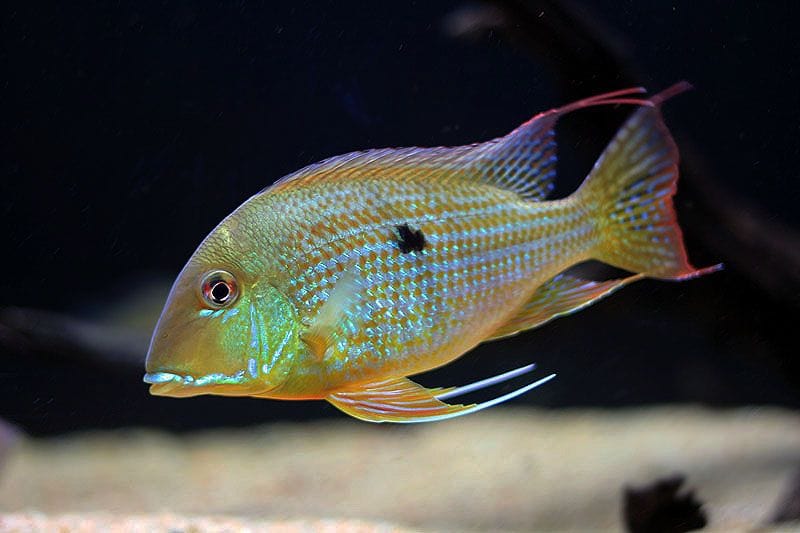
Geophagus surinamensis
Freshwater Cichlids
Category:
Difficulty:
Temperament:
Easy
Peaceful
Geophagus surinamensis, commonly known as the Surinam earth eater, is a freshwater cichlid native to the Amazon River basin in South America, particularly found in Suriname. This species is recognized for its distinctive flattened body, which allows it to sift through substrate for food. Surinam earth eaters typically grow to about 6-8 inches in length and are known for their peaceful demeanor, making them suitable for community tanks with other compatible species.
They thrive in sandy or fine gravel substrates, where they can engage in their natural behavior of foraging for detritus, small invertebrates, and plant matter. Geophagus surinamensis prefers water temperatures between 75-82°F and a pH of 6.0-7.5. Their vibrant coloration, often featuring shades of blue and yellow, along with their interesting feeding habits, makes them a popular choice among aquarists.
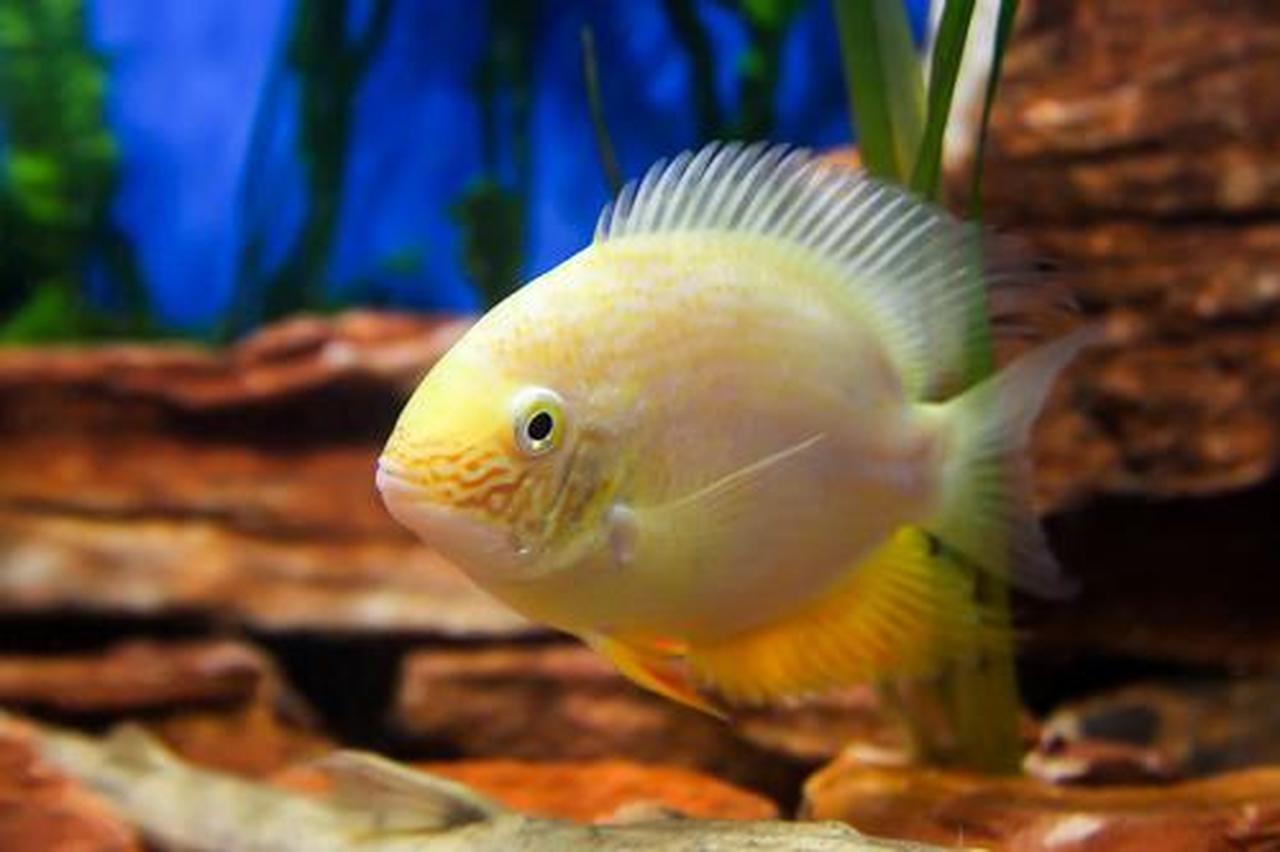
Gold Severum
Freshwater Cichlids
Category:
Difficulty:
Temperament:
Easy
Peaceful
The Gold Severum (Heros severus) is a popular and visually striking freshwater cichlid, known for its bright, golden-yellow coloration and calm, inquisitive nature. Originating from the Amazon Basin, this species can grow up to 8-10 inches (20-25 cm), making it suitable for large aquariums with plenty of swimming space.
Gold Severums have a brilliant yellow or orange body that sometimes develops faint red or orange markings on the sides and fins. They thrive in warm, soft to moderately hard water, ideally between 75-82°F (24-28°C), and appreciate a tank setup with plants, driftwood, and rocks.
These cichlids are semi-aggressive but generally peaceful when kept with other non-aggressive, similarly sized tank mates. As omnivores, they enjoy a varied diet of pellets, live or frozen foods, and vegetables.
With their radiant color and friendly temperament, Gold Severums make a beautiful and engaging addition to large freshwater aquariums.
Tiger Severum
Freshwater Cichlids
Category:
Difficulty:
Temperament:
Easy
Peaceful
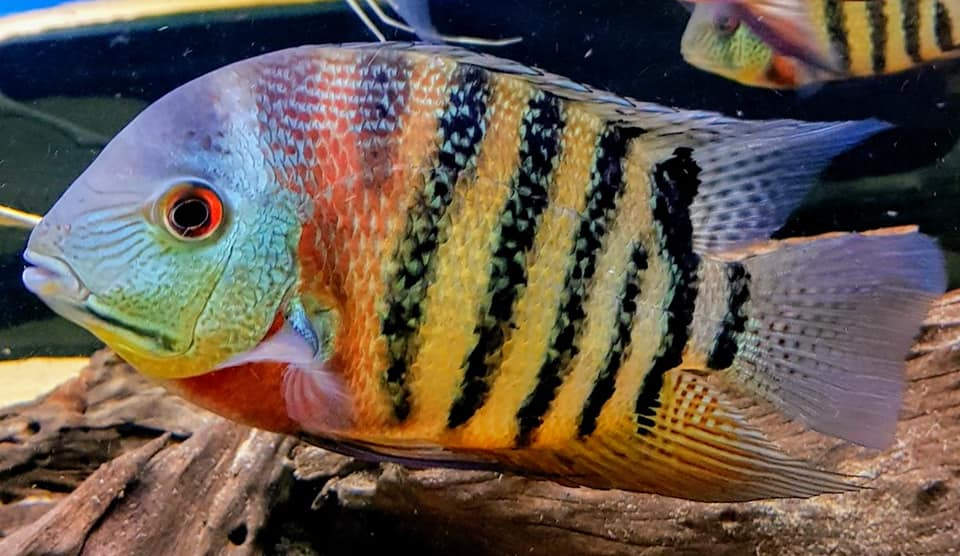
The Tiger Severum (Heros severus), also known as the Banded or Striped Severum, is an attractive freshwater cichlid appreciated for its bold tiger-like stripes and engaging personality. Native to the Amazon Basin, this species can grow up to 8-10 inches (20-25 cm), making it ideal for larger aquariums with plenty of space.
Tiger Severums are known for their light-colored bodies covered in prominent black or dark brown vertical bands, which become more intense as they mature. They thrive in warm, soft to moderately hard water, ideally between 75-82°F (24-28°C), and prefer a tank setup with open swimming areas, driftwood, and rocks.
These cichlids are semi-aggressive and do well with similarly sized, non-aggressive tank mates. As omnivores, they enjoy a varied diet of pellets, live or frozen foods, and occasional vegetables.
With their bold striping and dynamic personality, Tiger Severums add a captivating presence to spacious freshwater aquariums.
$30 price is for small. Large tiger severums are $95
Red Spot Severum
Freshwater Cichlids
Category:
Difficulty:
Temperament:
Easy
Peaceful
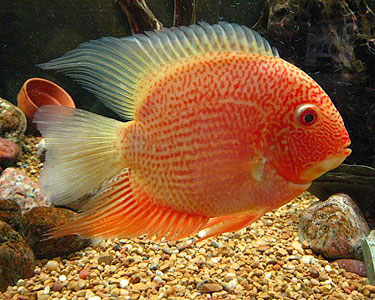
The Red Spot Severum (Heros severus), also known as the Red-Spotted Gold Severum, is a captivating freshwater cichlid known for its bold, colorful appearance and generally peaceful temperament. Originating from the Amazon Basin, this species can grow up to 8-10 inches (20-25 cm), making it best suited for larger aquariums.
Red Spot Severums are recognized for their bright golden bodies adorned with vibrant red spots, particularly on their sides and fins. They thrive in warm, soft to moderately hard water, ideally between 75-82°F (24-28°C), and prefer tanks with open swimming areas as well as hiding spots like driftwood and rocks.
These cichlids are semi-aggressive but can coexist with other non-aggressive fish of similar size. As omnivores, they enjoy a diet of pellets, vegetables, and live or frozen foods.
With their striking color pattern and manageable temperament, Red Spot Severums are a beautiful and rewarding choice for aquarists with spacious freshwater tanks.
Geophagus redhead Tapajos
Freshwater Cichlids
Category:
Difficulty:
Temperament:
Easy
Peaceful
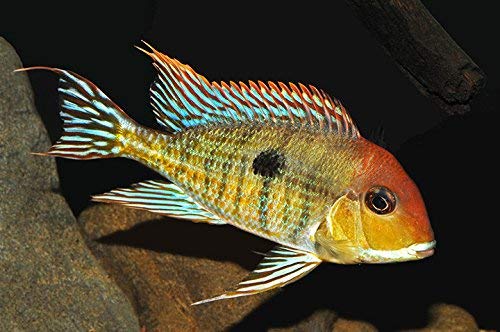
The Geophagus redhead Tapajos, also known as the Redhead Eartheater, is a striking freshwater cichlid celebrated for its vibrant red head and peaceful, engaging personality. Native to the Tapajos River in Brazil, this eartheating species typically grows up to 6-8 inches (15-20 cm), making it well-suited for medium to large aquariums.
Redhead Tapajos are easily recognized by their bright red-orange head contrasting with a silvery body that often has iridescent blue or green highlights. They thrive in warm, soft, and slightly acidic water, ideally between 75-82°F (24-28°C), and prefer a tank with sandy substrate and plenty of hiding spots.
These cichlids are generally peaceful and do well in community tanks with other non-aggressive fish of similar size. As omnivores, they enjoy a varied diet of pellets, live or frozen foods, and some plant matter.
With their vivid coloration and active, sand-sifting behavior, Redhead Tapajos make an eye-catching and lively addition to well-maintained freshwater aquariums.
Geophagus balzani
Freshwater Cichlids
Category:
Difficulty:
Temperament:
Easy
Peaceful
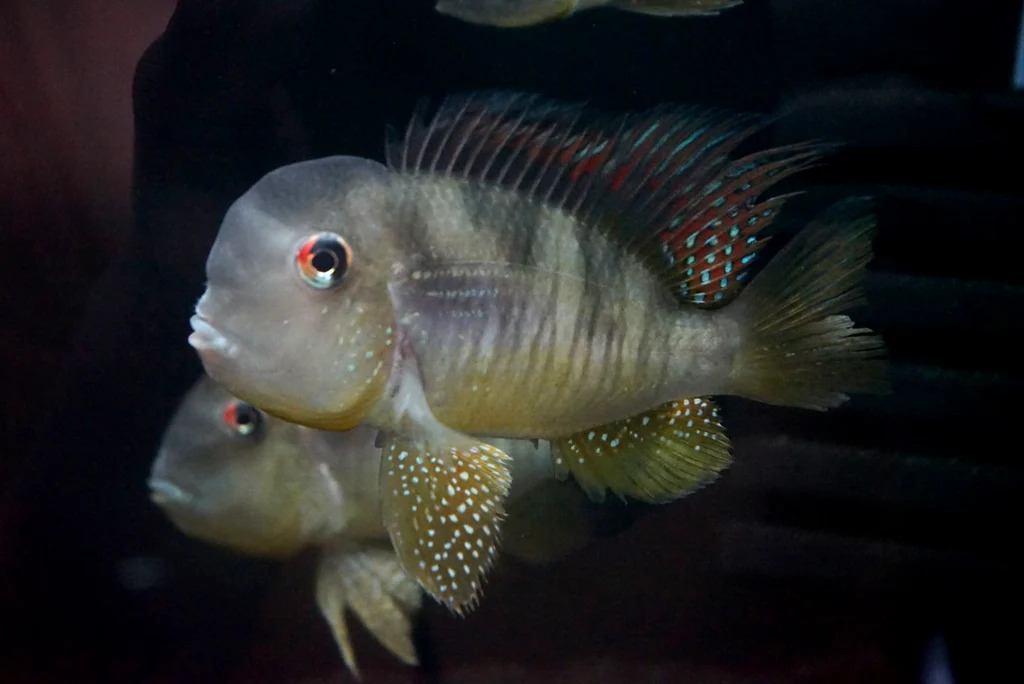
The Geophagus balzani, also known as Balzani Eartheater or Balzani Cichlid, is a unique and peaceful freshwater cichlid admired for its distinctive body shape and sand-sifting behavior. Native to the slow-moving rivers of Uruguay and Paraguay, this species grows to about 6-8 inches (15-20 cm) and is suitable for larger aquariums.
Balzani Eartheaters are noted for their rounded foreheads and soft, iridescent coloring, with hues of gray, blue, and subtle red or yellow accents on their fins. They thrive in cooler water, ideally between 68-75°F (20-24°C), and prefer a tank with a sandy substrate to allow for digging and sifting.
These cichlids are peaceful and do well in community tanks with other gentle fish, especially those from cooler waters. As omnivores, they enjoy a diet of pellets, live or frozen foods, and plant matter.
With their calm demeanor and unique look, Geophagus balzani add a distinctive and peaceful charm to community aquariums.
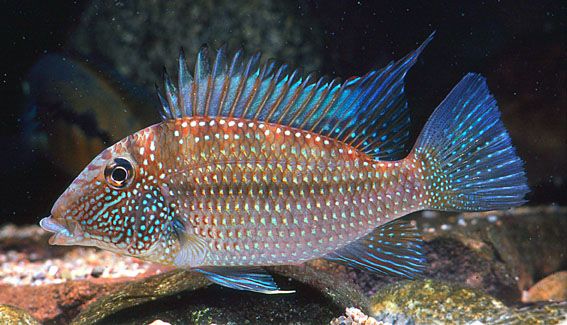
Geophagus jurupari
Freshwater Cichlids
Category:
Difficulty:
Temperament:
Easy
Peaceful
The Geophagus jurupari, often called the Demon Eartheater, is a peaceful and fascinating freshwater cichlid known for its distinctive earth-sifting behavior. Native to the Amazon Basin in South America, this species can grow up to 8 inches (20 cm), making it ideal for medium to large aquariums.
Demon Eartheaters are known for their subtle, shimmering colors, with a body that ranges from silver to greenish-gray and displays fine, iridescent blue or green flecks. They thrive in warm, soft, and slightly acidic water, ideally between 75-82°F (24-28°C), and prefer tanks with a sandy substrate for their natural digging behavior.
Geophagus jurupari are generally peaceful and do well in community tanks with other non-aggressive fish of similar size. As omnivores, they enjoy a varied diet of pellets, live or frozen foods, and some plant material.
With their gentle nature and intriguing habits, Geophagus jurupari are a captivating addition to well-planned, peaceful freshwater aquariums.
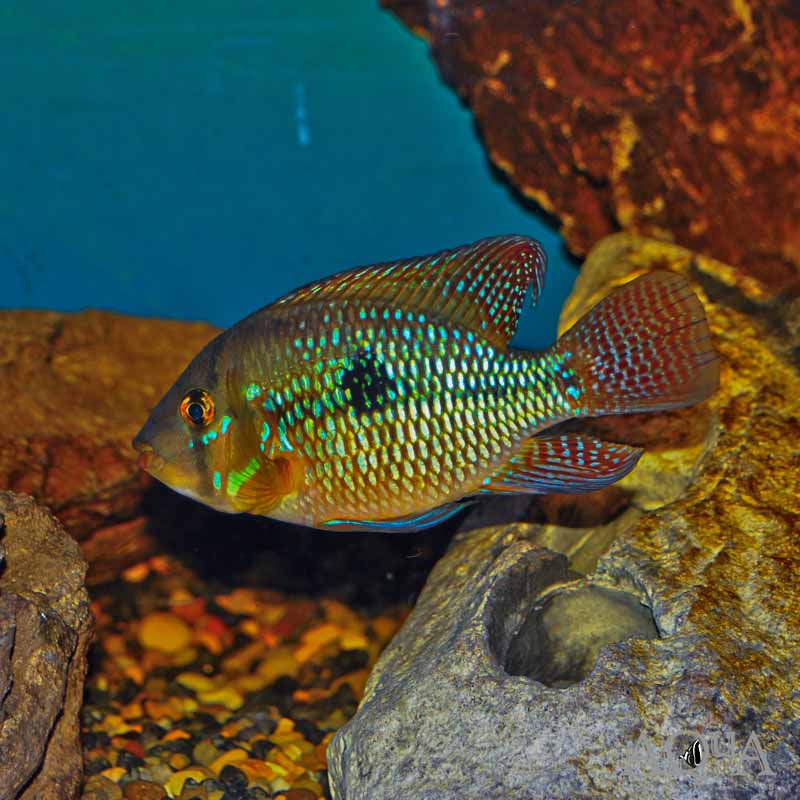
Geophagus brasiliensis
Freshwater Cichlids
Category:
Difficulty:
Temperament:
Easy
Peaceful
The Geophagus brasiliensis, commonly known as the Pearl Cichlid, is a beautiful and hardy South American cichlid known for its iridescent pearl-like spots and unique sand-sifting behavior. Native to rivers and lakes in Brazil, this species can grow up to 10 inches (25 cm), making it best suited for larger aquariums.
Pearl Cichlids are striking, with a range of colors from gray and blue to green, covered in sparkling spots that resemble pearls. Their colors become more intense during breeding and courtship displays. They prefer warm, slightly acidic to neutral water, ideally between 72-82°F (22-28°C), and a tank with sand or fine gravel to allow for digging and sifting.
Generally semi-aggressive, Geophagus brasiliensis are best kept with other robust fish in similarly sized community tanks. As omnivores, they enjoy a varied diet of pellets, live or frozen foods, and plant matter.
Their captivating colors and intriguing behavior make Pearl Cichlids a popular choice for larger, well-planned freshwater aquariums.
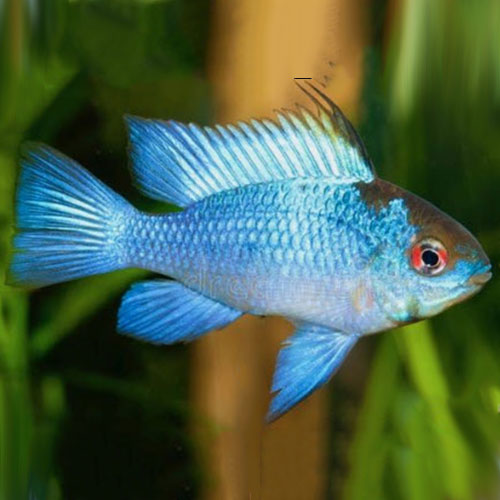
Electric Blue Ram Cichlid
Freshwater Cichlids
Category:
Difficulty:
Temperament:
Moderate
Peaceful
The Electric Blue Ram Cichlid (Mikrogeophagus ramirezi) is a dazzlingly vibrant freshwater fish known for its intense electric blue coloration and peaceful disposition. A selectively bred variant of the German Blue Ram, this species typically reaches about 2-3 inches (5-7.5 cm) and is highly sought after for its striking appearance in aquariums.
Electric Blue Rams have brilliant, almost neon blue bodies with slight yellow or red accents on their fins and a black dorsal spot. They thrive in warm, soft, and slightly acidic water, ideally between 78-85°F (25-29°C), and prefer tanks with plants, smooth substrates, and plenty of hiding spots.
These cichlids are peaceful and can be kept with other similarly sized, non-aggressive tank mates, making them a great choice for community tanks. As omnivores, they enjoy a varied diet of high-quality flakes, pellets, and live or frozen foods like bloodworms.
Known for their stunning color and gentle nature, Electric Blue Rams add a brilliant flash of blue to freshwater aquariums, making them a favorite among aquarists.
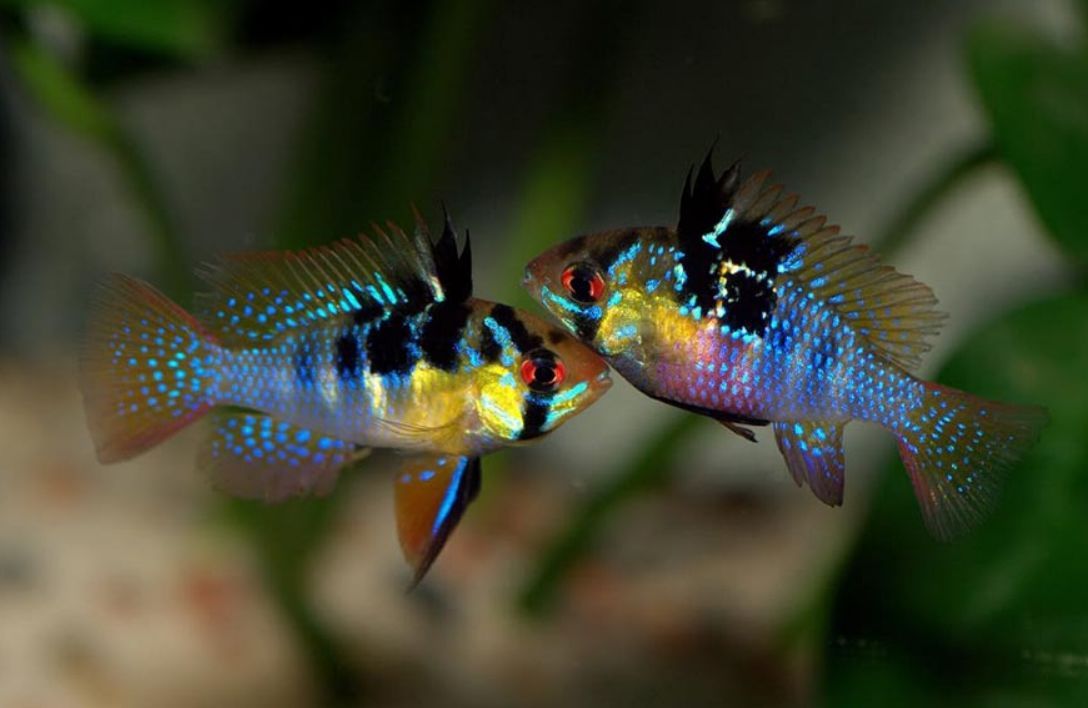
Blue Ram Cichlid
Freshwater Cichlids
Category:
Difficulty:
Temperament:
Moderate
Peaceful
The Blue Ram Cichlid (Mikrogeophagus ramirezi), also known as the German Blue Ram, is a small, vibrant freshwater fish admired for its stunning blue and yellow coloration and peaceful demeanor. Native to the Orinoco River Basin in Venezuela and Colombia, this species grows to about 2-3 inches (5-7.5 cm) and is ideal for small to medium aquariums.
Blue Rams are known for their bright blue bodies, often with yellow accents on their face and fins, and their distinctive black dorsal spot. They thrive in warm, soft water, ideally between 78-85°F (25-29°C), and prefer aquariums with plants, rocks, and sandy substrate.
These cichlids are generally peaceful and do well with other similarly sized, non-aggressive tank mates, making them a good choice for community tanks. As omnivores, they enjoy a varied diet of high-quality flakes, pellets, and live or frozen foods like bloodworms.
With their stunning colors and gentle nature, Blue Rams are a popular and rewarding choice for freshwater aquarists.
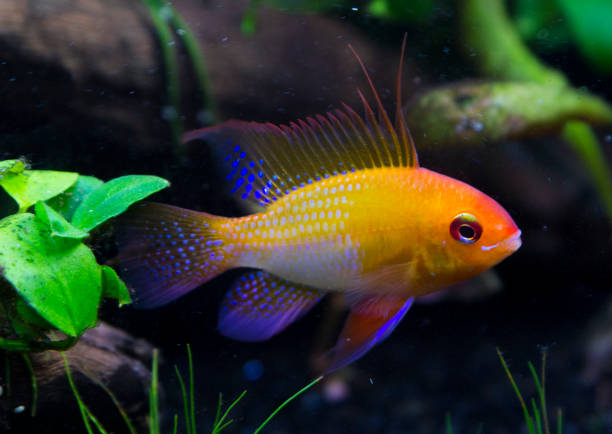
Golden Ram Cichlid
Freshwater Cichlids
Category:
Difficulty:
Temperament:
Moderate
Peaceful
The Golden Ram Cichlid (Mikrogeophagus ramirezi), also known as the Golden Ram or Electric Gold Ram, is a beautifully colored freshwater fish prized for its vivid yellow-gold hue and peaceful temperament. Originating from the Orinoco River Basin in Venezuela and Colombia, this cichlid grows to about 2-3 inches (5-7.5 cm), making it ideal for small to medium aquariums.
Golden Rams are known for their striking yellow body, often accented with hints of blue and red on their fins, giving them a radiant, eye-catching look. They thrive in warm, soft water, ideally between 78-85°F (25-29°C), and prefer a tank with plants, rocks, and soft substrate.
These cichlids are generally peaceful and can be kept with other similarly sized, non-aggressive fish, making them great for community tanks. As omnivores, they enjoy a varied diet of high-quality flakes, pellets, and live or frozen foods like bloodworms.
Golden Ram Cichlids are moderately easy to care for, making them a popular choice among aquarists who want a splash of vibrant color in their freshwater setups.
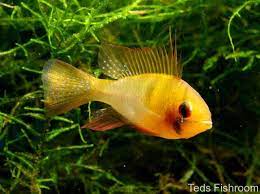
Gold Ram (Mikrogeophagus ramirezi)
Freshwater Cichlids
Category:
Difficulty:
Temperament:
Moderate
Peaceful
A line bred variant of the popular Dwarf Cichlid, the Gold Ram is a small, peaceful cichlid ideal for most community aquariums. With their vibrant uniform gold coloration, they make an impressive display fish in a planted or aquascaped aquarium and will get along well with most tankmates. In the aquarium, they can be sensitive to fluctuating water quality and will do best in slightly soft water with frequent partial water changes. Like most cichlids they may fight among themselves for territory so a medium sized aquarium with plenty of cover and shelter is best to keep a group.