
Fish List
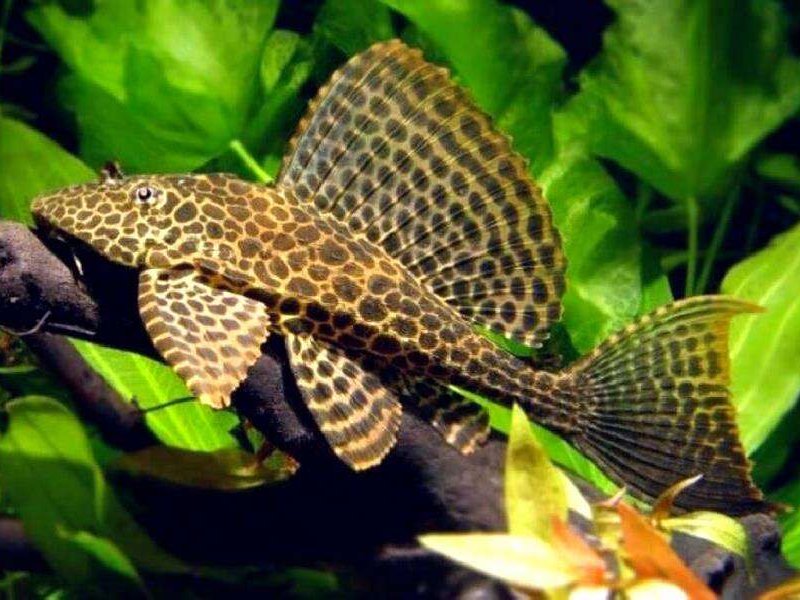
Leopard Sailfin Pleco
Freshwater Pleco
Difficulty:
Difficulty:
Temperament:
Moderate
Peaceful
The leopard sailfin pleco, Pterygoplichthys gibbiceps, is a visually captivating freshwater catfish known for its dark body adorned with intricate yellow or gold leopard-like spots and a large, sail-like dorsal fin. Native to South America, this pleco can grow up to 18 inches, making it suitable only for spacious aquariums of 100 gallons or more. Leopard sailfin plecos are effective algae-eaters and generally peaceful, though they may be territorial with other bottom-dwellers. They prefer temperatures of 73-86°F and a pH range of 6.5-7.5. Their diet consists of algae, sinking pellets, and fresh vegetables, making them both functional and decorative in large aquariums.
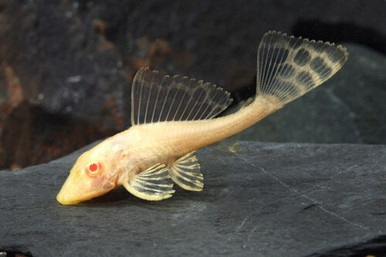
Albino Sailfin Pleco
Freshwater Pleco
Difficulty:
Difficulty:
Temperament:
Moderate
Peaceful
The albino sailfin pleco, a variant of Pterygoplichthys gibbiceps, is a striking freshwater catfish with a pale, yellowish-white body and distinctive red or pink eyes. Known for its large dorsal (sail-like) fin, this pleco can reach up to 13-19 inches in length, requiring a spacious tank of at least 100 gallons. Native to South America, albino sailfin plecos are efficient algae-eaters and generally peaceful, though they can be territorial with other bottom-dwellers. They thrive in temperatures between 73-86°F and a pH of 6.5-7.5. Their diet includes algae, sinking pellets, and occasional fresh vegetables, making them a unique and helpful addition to large aquariums.
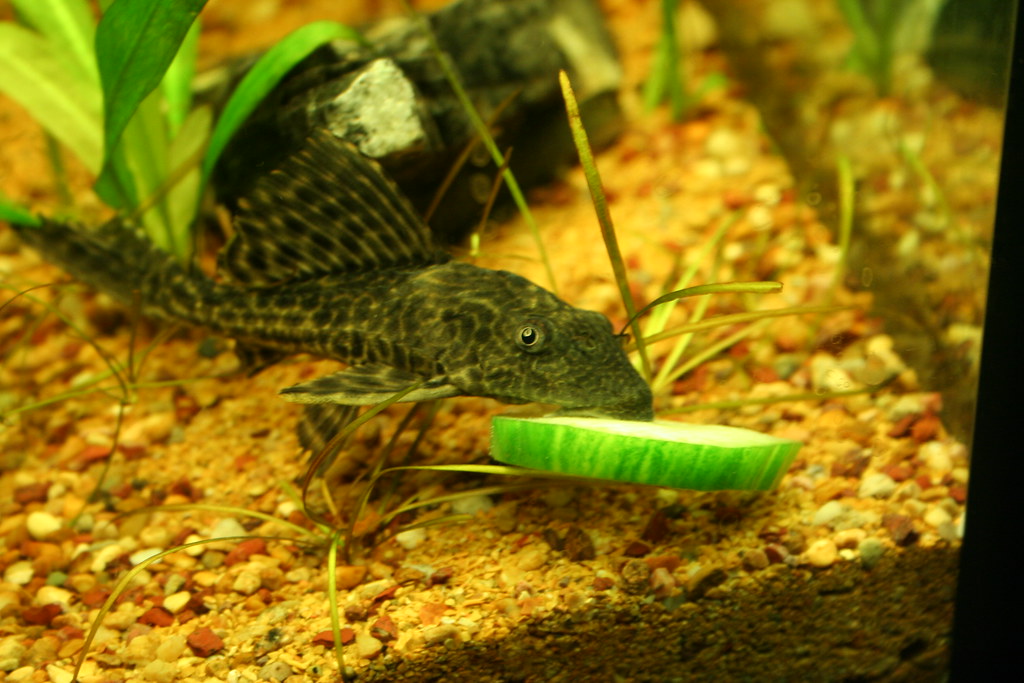
Common Pleco
Freshwater Pleco
Difficulty:
Difficulty:
Temperament:
Easy
Peaceful
The common pleco, Hypostomus plecostomus, is a large and hardy freshwater catfish known for its impressive algae-eating abilities. With a dark, mottled appearance, it can grow up to 18-24 inches in captivity, so it requires a spacious tank—ideally 75 gallons or more—as it matures. Native to rivers in South America, the common pleco is nocturnal, often hiding during the day and becoming more active at night. It primarily feeds on algae but also benefits from a diet of sinking pellets, vegetables, and occasional protein. This pleco thrives in temperatures of 72-82°F, with a pH range of 6.5-7.5, and prefers aquariums with driftwood, rocks, and shaded areas for hiding. Because of its size, it's best suited to larger aquariums and experienced fish keepers.
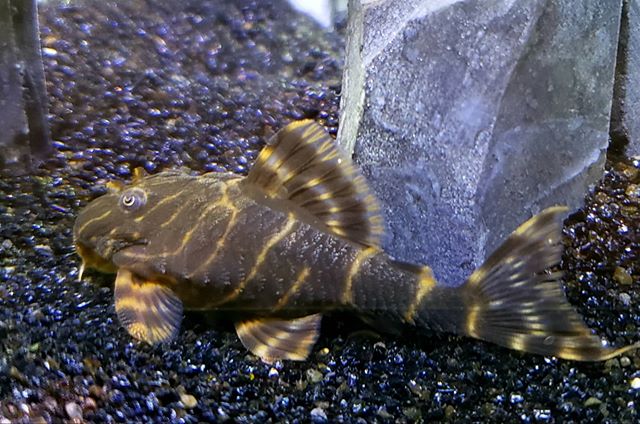
Clown Pleco
Freshwater Pleco
Difficulty:
Difficulty:
Temperament:
Easy
Peaceful
The clown pleco, Panaqolus maccus, is a small, colorful freshwater catfish recognized by its dark body with distinctive yellow or white bands. Native to the rivers of Venezuela and Colombia, this species is a popular choice for aquariums due to its manageable size, typically reaching just 3.5–4 inches in adulthood. Known for its unique dietary needs, the clown pleco primarily consumes wood fiber along with algae, so driftwood is essential in its tank for both food and shelter. This pleco thrives in temperatures between 73-82°F, with a slightly acidic to neutral pH, and it’s a peaceful addition to community tanks.
Mango Pleco
Freshwater Pleco
Difficulty:
Difficulty:
Temperament:
Moderate
Peaceful
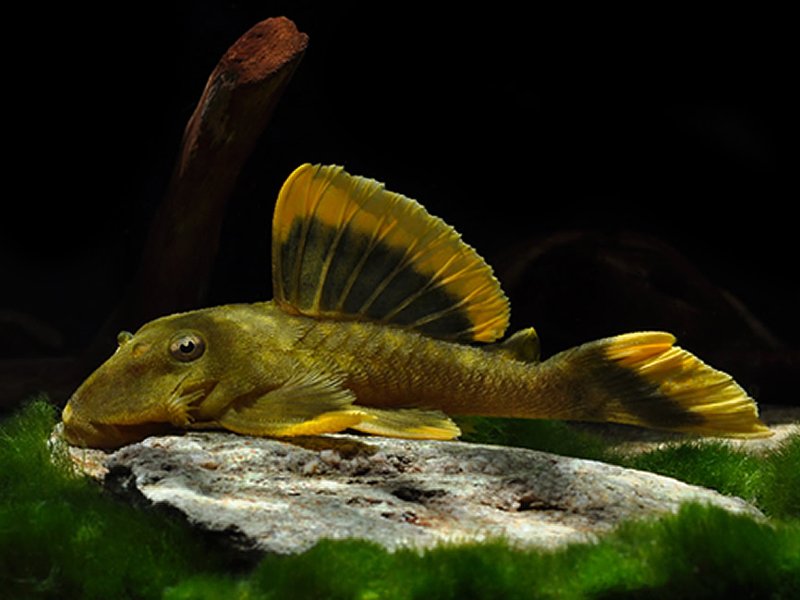
The mango pleco, or Baryancistrus sp. L047, is a striking freshwater catfish known for its vibrant dark body with bright yellow or orange spots and contrasting yellow fin edges. Native to Brazil’s Rio Xingu, it’s sometimes called the "mango" or "magnum" pleco. Growing up to 10 inches, the mango pleco requires a larger tank with good filtration, plenty of hiding spots, and a sandy or fine-gravel substrate. Although it consumes some algae, it also needs a varied diet including vegetables, sinking pellets, and protein-rich foods. The mango pleco prefers warm waters around 78-86°F with slightly acidic to neutral pH, making it well-suited for experienced aquarists.
Rubber Lip Pleco
Freshwater Pleco
Difficulty:
Difficulty:
Temperament:
Moderate
Peaceful
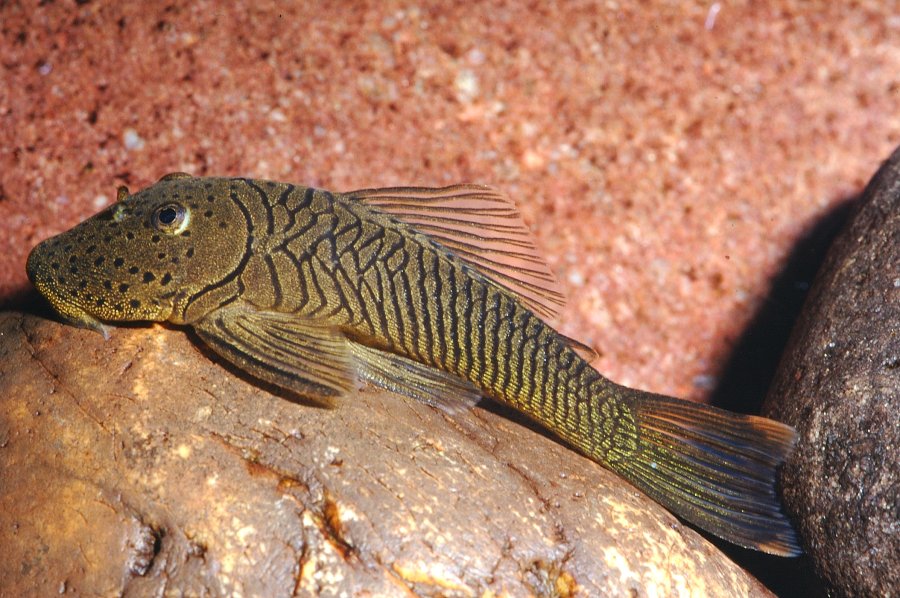
The rubber lip pleco, also known as Chaetostoma milesi, is a small, hardy freshwater catfish popular in aquariums. Native to the rivers of Colombia and Venezuela, this peaceful fish has a mottled, brownish-gray appearance with a distinct "rubber-like" lip used for grazing on algae. Unlike larger plecos, the rubber lip pleco grows only up to about 4.5–5 inches, making it ideal for medium-sized tanks. Known for their algae-eating abilities, they help keep aquariums clean, but they also benefit from supplemental feeding with algae wafers or fresh vegetables. Rubber lip plecos prefer well-oxygenated water and hiding places, thriving in temperatures between 72-80°F with slightly acidic to neutral pH levels.
Gold Nugget Pleco
Freshwater Pleco
Difficulty:
Difficulty:
Temperament:
Moderate
Peaceful
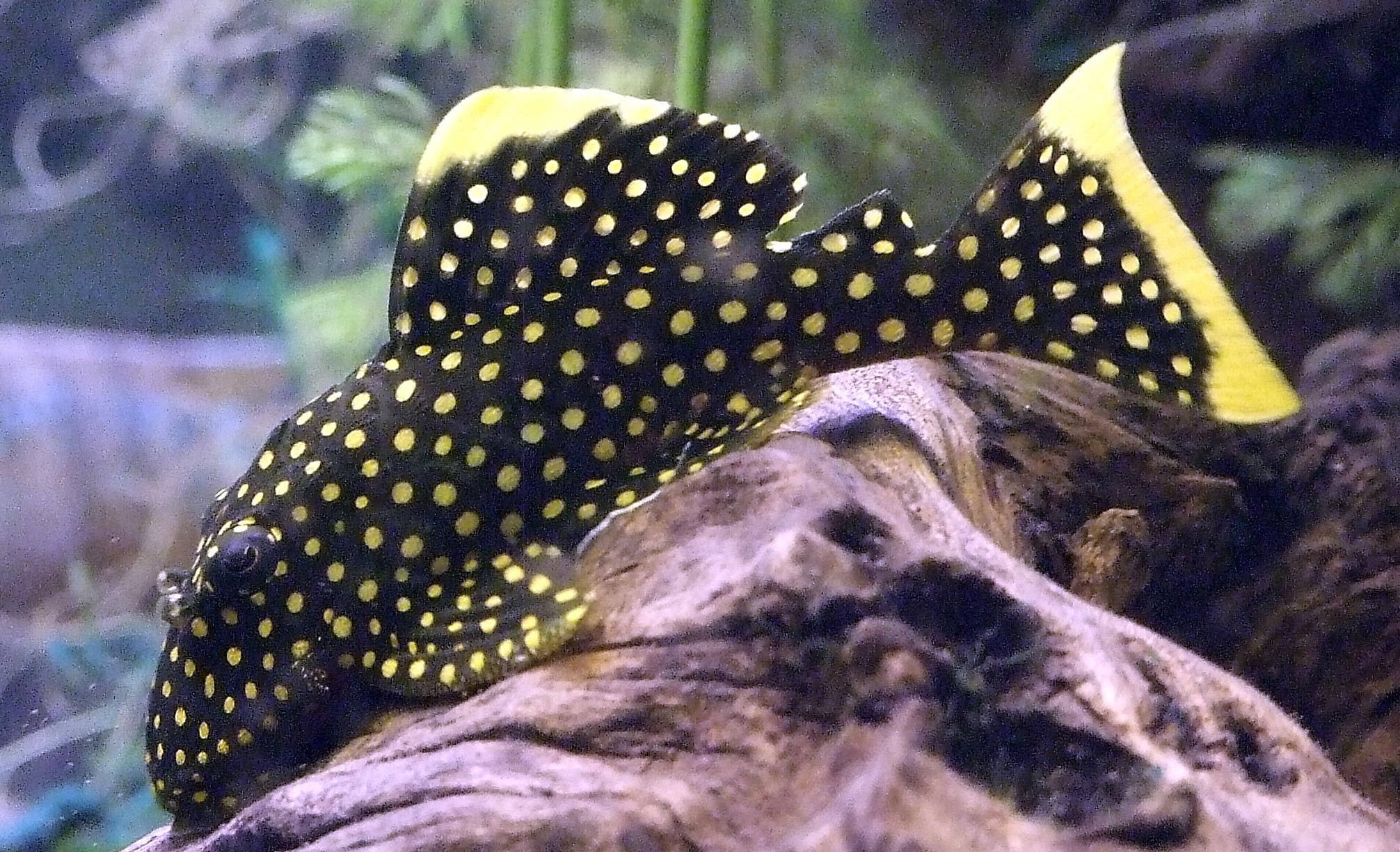
The Gold Nugget Pleco (Baryancistrus xanthellus) is a stunning freshwater fish known for its vibrant appearance and algae-eating abilities. Native to the fast-flowing rivers of the Amazon Basin in Brazil, this species typically grows to about 6 to 10 inches (15 to 25 cm) in length.
Gold Nugget Plecos are characterized by their dark, black to brown bodies covered in bright yellow or gold spots, with similarly colored edges on their fins. This striking contrast gives them their "gold nugget" appearance, making them a popular choice for aquariums.
These plecos thrive in warm water, ideally between 75-82°F (24-28°C), and prefer aquariums with strong water flow and plenty of hiding spots, such as rocks, driftwood, and caves. Though generally peaceful, they may exhibit territorial behavior with other bottom-dwelling species.
As omnivores, Gold Nugget Plecos primarily feed on algae but also require a varied diet that includes sinking pellets, algae wafers, and fresh vegetables like zucchini or cucumber. With proper care, they can live for 5-10 years, making them both a functional and visually appealing addition to freshwater aquariums.
Blue Phantom Pleco
Freshwater Pleco
Difficulty:
Difficulty:
Temperament:
Moderate
Peaceful
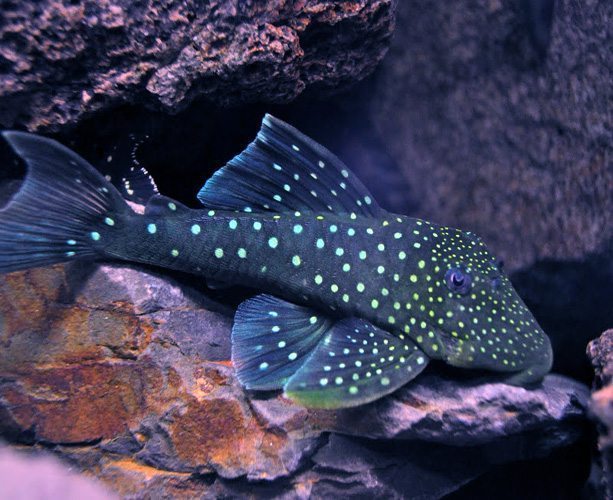
The Blue Phantom Pleco (Hypancistrus sp.) is a visually stunning freshwater fish celebrated for its striking coloration and effective algae-eating abilities. Native to the rivers of South America, particularly in Brazil, this species typically grows to about 4 to 6 inches (10 to 15 cm) in length.
Blue Phantom Plecos are characterized by their dark blue to black bodies, often highlighted by vibrant yellow or white spots and patterns. Their broad, flat heads and bristle-covered snouts are specially adapted for grazing on algae and detritus in their natural habitat.
These plecos thrive in warm water conditions, ideally between 75-82°F (24-28°C), and prefer well-structured tanks with plenty of hiding spots, such as caves, rocks, and driftwood. They are generally peaceful but may exhibit territorial behavior, especially males during breeding.
As omnivores, Blue Phantom Plecos enjoy a varied diet that includes high-quality algae wafers, sinking pellets, and occasional fresh vegetables like zucchini or cucumber. With proper care, they can live for 5-10 years, making them a captivating and functional addition to freshwater aquariums, where they contribute to maintaining a healthy balance by controlling algae growth.
Green Phantom Pleco
Freshwater Pleco
Difficulty:
Difficulty:
Temperament:
Moderate
Peaceful
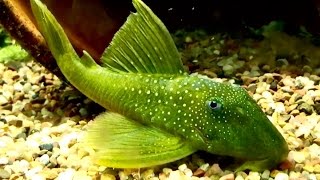
The Green Phantom Pleco (Hypancistrus sp.) is a striking freshwater fish prized for its unique appearance and algae-eating abilities. Native to the rivers and tributaries of South America, particularly in Brazil, this species typically grows to about 4 to 6 inches (10 to 15 cm) in length.
Green Phantom Plecos are characterized by their dark green to black bodies, adorned with vibrant yellow or white spots and stripes that provide a beautiful contrast. Their flat, broad heads and specialized bristles on their snouts are adapted for grazing on algae and detritus.
These plecos thrive in warm water conditions, ideally between 75-82°F (24-28°C), and prefer well-oxygenated tanks with plenty of hiding spots, such as caves, rocks, and driftwood. They are relatively peaceful but may exhibit territorial behavior, particularly males during breeding.
As omnivores, Green Phantom Plecos benefit from a varied diet that includes high-quality algae wafers, sinking pellets, and occasional fresh vegetables like zucchini or cucumber. With proper care, they can live for 5-10 years, making them a beautiful and functional addition to freshwater aquariums, where they help keep algae under control.
Royal Pleco
Freshwater Pleco
Difficulty:
Difficulty:
Temperament:
Moderate
Peaceful
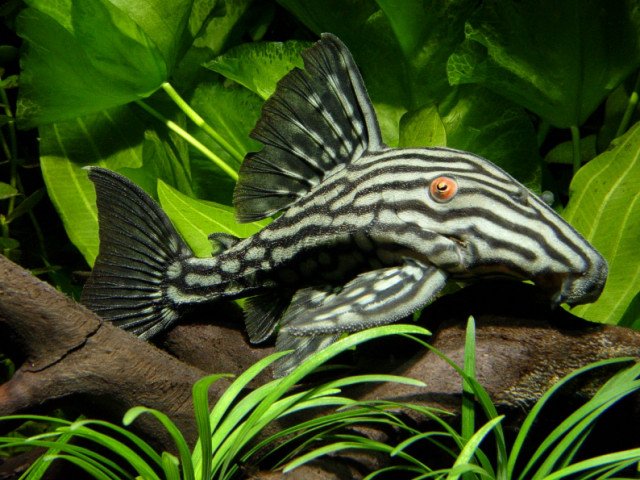
The Royal Pleco (Panaque nigrolineatus) is a striking freshwater fish known for its impressive size and unique appearance. Native to the slow-moving rivers and streams of South America, particularly in Brazil and Peru, this species can grow quite large, typically reaching lengths of 12 to 18 inches (30 to 46 cm).
Royal Plecos are characterized by their dark brown to black bodies adorned with distinctive white or yellow stripe patterns that can vary among individuals. They have a broad, flat head and specialized bristles along their snouts, which help them graze on algae and detritus in their natural habitat.
These fish thrive in warm, slightly acidic to neutral water conditions, ideally between 74-80°F (23-27°C). They prefer spacious aquariums with plenty of hiding spots, such as caves and driftwood, which mimic their natural environment. While generally peaceful, they can exhibit territorial behavior as they mature, especially with other bottom-dwelling species.
As primarily herbivores, Royal Plecos require a diet rich in plant matter, including high-quality algae wafers, vegetables, and occasional protein sources like shrimp or pellets. With proper care, they can live for 10-15 years, making them a fascinating and functional addition to larger freshwater aquariums, where they help maintain a healthy balance by controlling algae growth.
Bushynose Pleco AKA Bristlenose
Freshwater Pleco
Difficulty:
Difficulty:
Temperament:
Easy
Peaceful
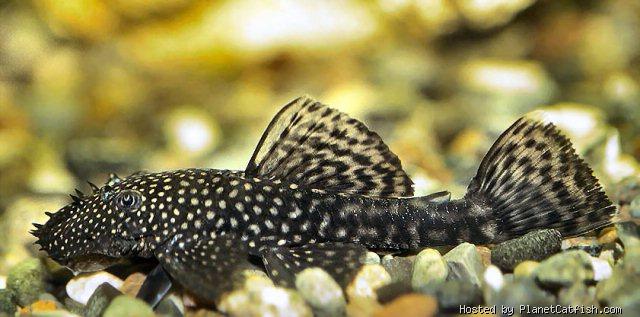
The Bushynose Pleco (Ancistrus sp.), also known as the Bristlenose Pleco, is a small and hardy freshwater fish popular for its algae-eating abilities and unique appearance. Native to the rivers of South America, this species typically grows to about 4 to 6 inches (10 to 15 cm) in length, making it ideal for smaller and mid-sized aquariums.
Bushynose Plecos are characterized by their flattened bodies, wide heads, and bristle-like appendages (or "bushy" noses) on their snouts, especially prominent in males. Their color ranges from dark brown to black, often with lighter spots or patterns, which provide excellent camouflage.
These plecos thrive in warm water conditions, ideally between 73-80°F (23-27°C), and prefer aquariums with plenty of hiding spots, such as driftwood, caves, and rocks. They are peaceful, making them great additions to community tanks.
Primarily herbivores, Bushynose Plecos feed on algae and plant matter, but they also enjoy sinking pellets, algae wafers, and occasional vegetables like zucchini or cucumber. With proper care, they can live for 5-10 years, serving as efficient algae cleaners while adding an interesting, unique look to aquariums.
Super Red Bushynose Pleco AKA Bristlenose
Freshwater Pleco
Difficulty:
Difficulty:
Temperament:
Easy
Peaceful
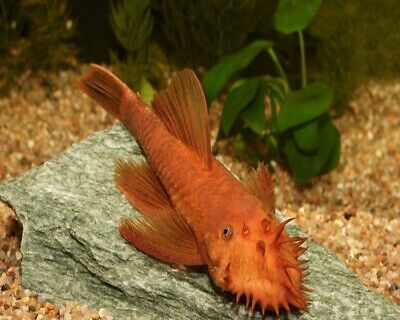
The Super Red Bushynose Pleco (Ancistrus sp.) is a striking and popular freshwater fish known for its vibrant red-orange coloration and excellent algae-eating abilities. A color variation of the Bushynose Pleco, this species typically grows to about 4 to 6 inches (10 to 15 cm) in length, making it ideal for medium-sized aquariums.
Super Red Bushynose Plecos are characterized by their bold red color and the bushy bristles that develop on the snouts of males, particularly as they mature. Their bright coloring makes them stand out in any tank, adding a unique visual element.
These plecos thrive in warm water conditions, ideally between 73-80°F (23-27°C), and prefer aquariums with plenty of hiding spots, such as driftwood, caves, and rocks. They are peaceful fish and do well in community tanks alongside other non-aggressive species.
As herbivores, Super Red Bushynose Plecos primarily feed on algae, but they also benefit from a diet that includes sinking algae wafers, pellets, and occasional vegetables like zucchini and cucumber. With proper care, they can live for 5-10 years, making them both a colorful and functional addition to freshwater aquariums.
Albino Bushynose Pleco AKA Bristlenose
Freshwater Pleco
Difficulty:
Difficulty:
Temperament:
Easy
Peaceful
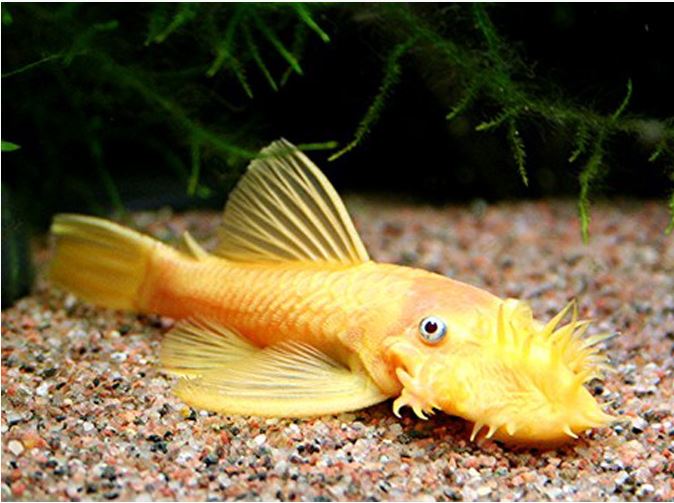
The Albino Bushynose Pleco (Ancistrus sp.), also known as the Albino Bristlenose Pleco, is a popular freshwater fish known for its algae-eating abilities and distinctive pale coloration. This variety of the Bushynose Pleco typically grows to about 4 to 6 inches (10 to 15 cm) in length, making it suitable for a wide range of aquarium sizes.
Albino Bushynose Plecos are characterized by their pale white to yellowish-pink bodies and prominent bushy bristles on their noses, particularly in males. Their albino coloration makes them stand out in contrast to the more common dark-colored plecos.
These fish thrive in warm water conditions, ideally between 73-80°F (23-27°C), and prefer tanks with plenty of hiding spots such as caves, driftwood, and rocks. They are peaceful and get along well with other fish, making them ideal for community tanks.
As herbivores, Albino Bushynose Plecos primarily feed on algae, but they also enjoy sinking pellets, algae wafers, and vegetables like zucchini or cucumber. With proper care, they can live for 5-10 years, providing both aesthetic appeal and practical algae control in freshwater aquariums.
Leopard Cactus Pleco
Freshwater Pleco
Difficulty:
Difficulty:
Temperament:
Moderate
Peaceful
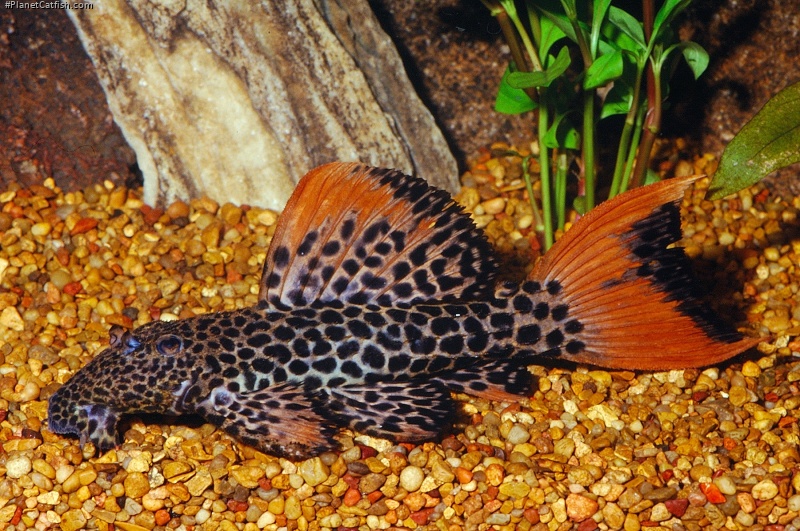
The Leopard Cactus Pleco (Pseudacanthicus leopardus) is a striking freshwater fish known for its unique appearance and robust nature. Native to the rivers and streams of South America, particularly in Brazil and Venezuela, this species typically grows to about 6 to 10 inches (15 to 25 cm) in length.
Leopard Cactus Plecos are characterized by their elongated bodies, adorned with distinctive patterns of black and yellow or white spots that resemble a leopard’s coat. They have a spiny appearance due to the bony plates covering their bodies, making them a resilient addition to aquariums.
These plecos thrive in warm, slightly acidic to neutral water conditions, ideally between 75-82°F (24-28°C), and prefer well-structured tanks with plenty of hiding spots, such as caves and driftwood. They can be territorial, especially as they mature, so it’s important to provide ample space for them in community setups.
As omnivores, Leopard Cactus Plecos primarily graze on algae but also require a varied diet that includes high-quality sinking pellets, plant matter, and occasional protein sources like shrimp. With proper care, they can live for 10-15 years, making them a captivating and hardy addition to freshwater aquariums.